
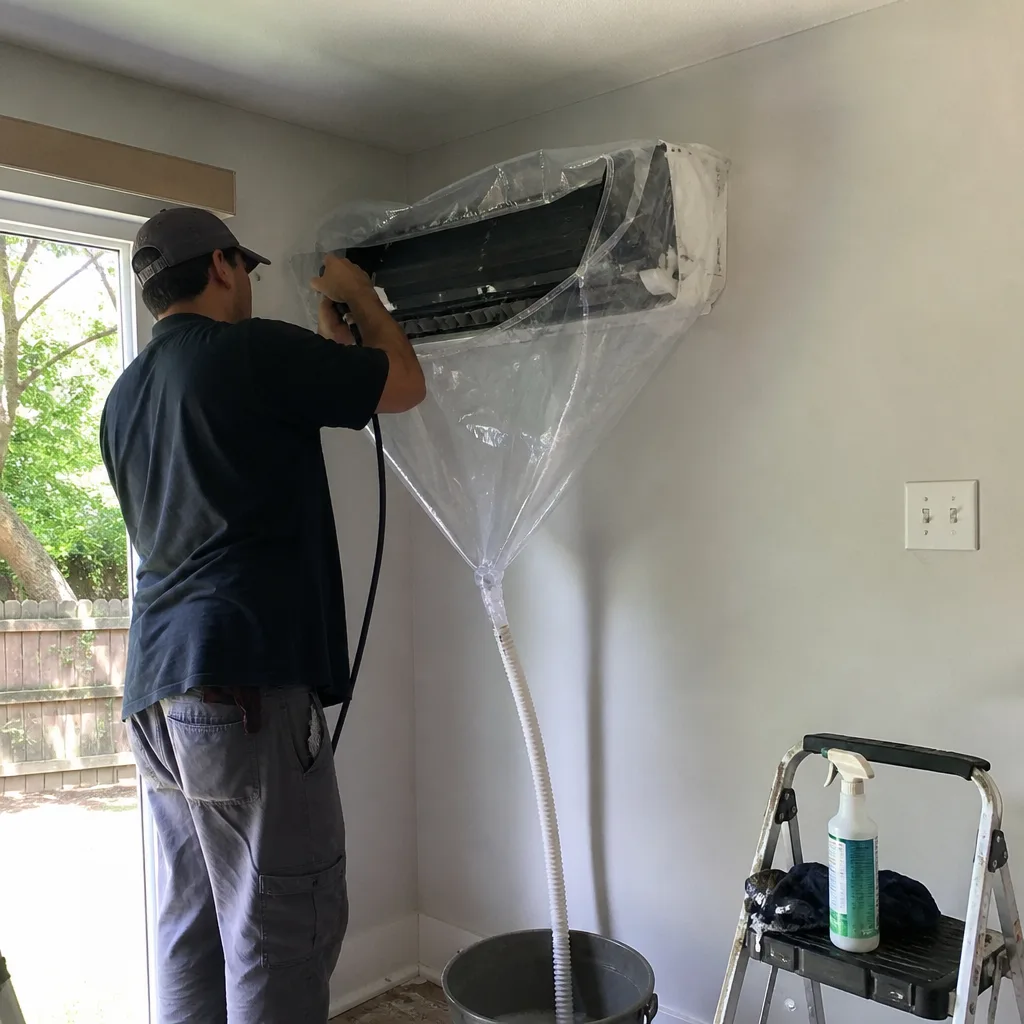
Last updated November 24, 2026
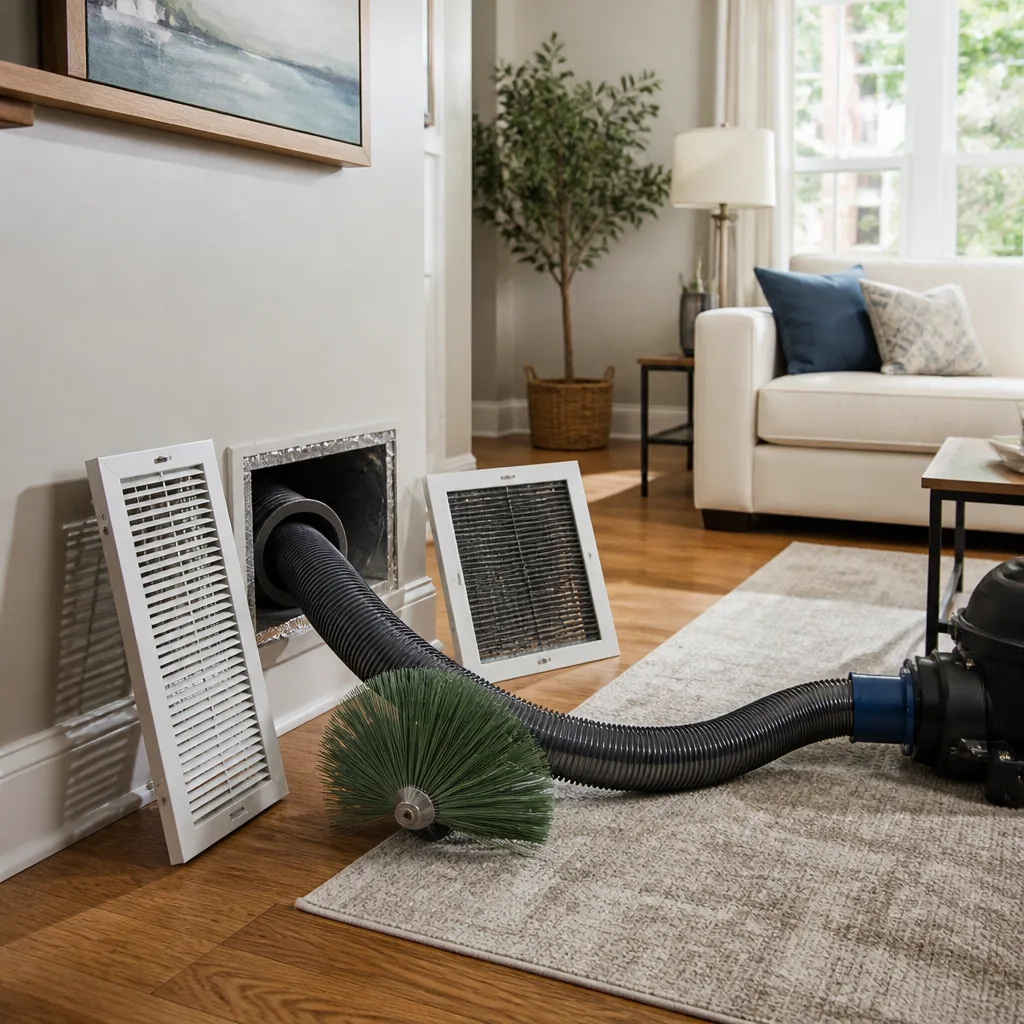 Whole-home duct cleaning
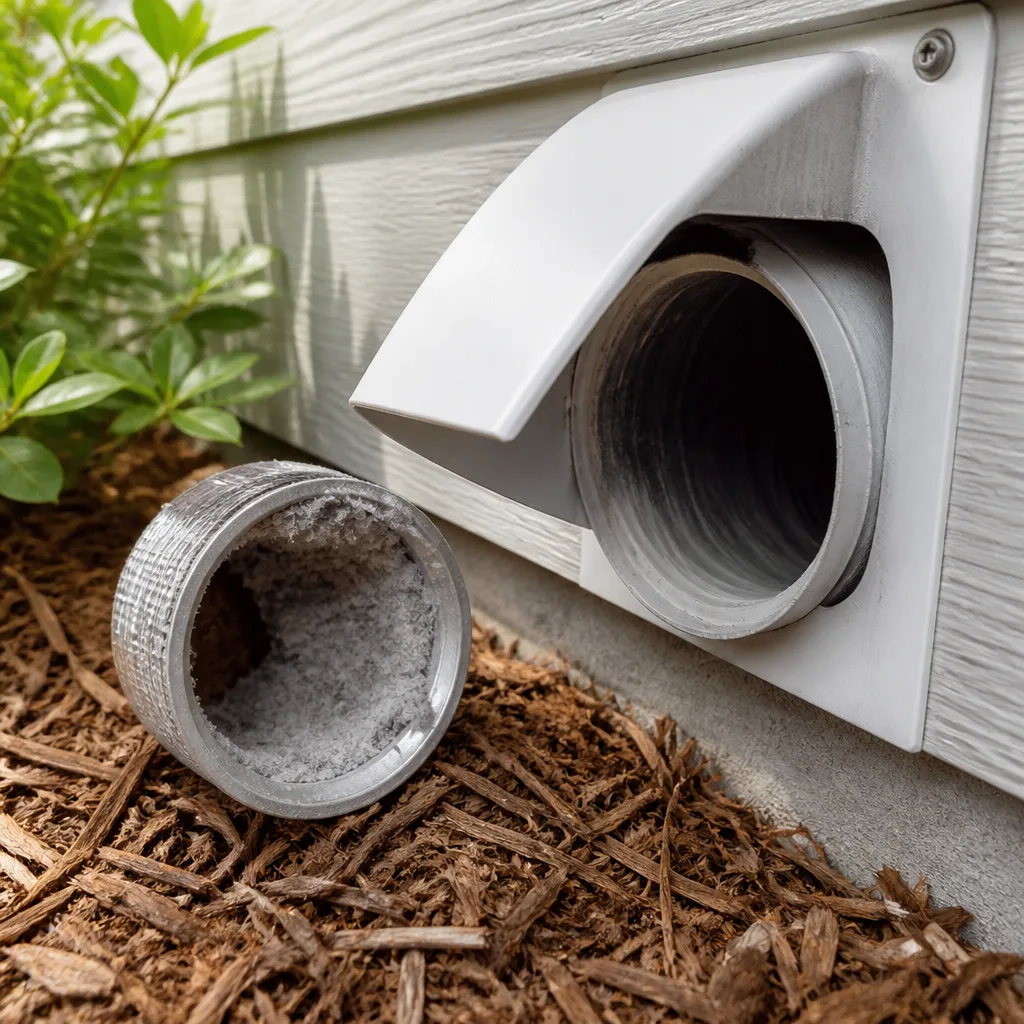 Dryer vent cleaning
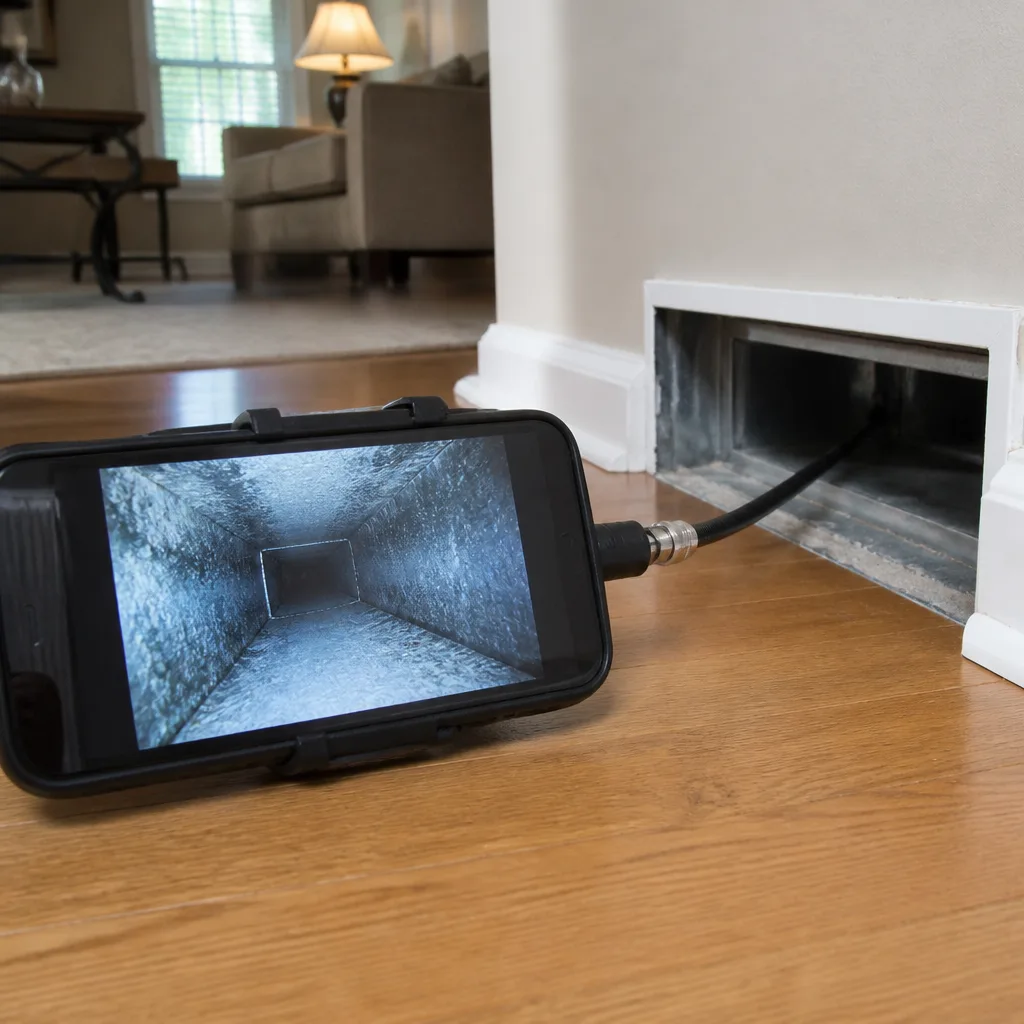 Camera inspection
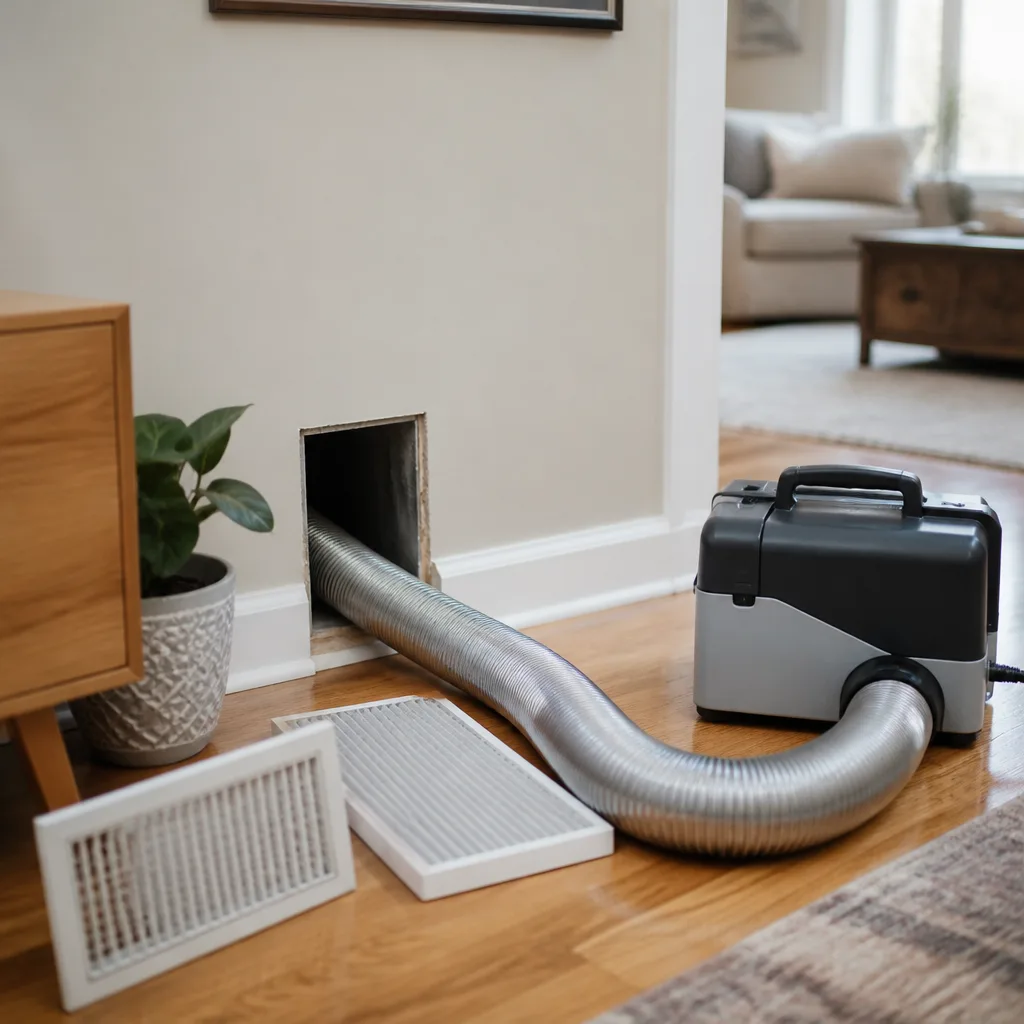 Sanitizing & deodorizing
Whole-system duct and dryer vent check with before-and-after photos - you see exactly what came out of your vents
That "$99 whole-house special" is a bait ad - the real number appears once they are in your hallway, or the "clean" is a shop-vac at the register. We photograph the inside of your ducts before and after instead.
Seasonal Air Duct Cleaning Care for North Raleigh: Year-Round Homeowner’s Guide
Most homeowners treat duct cleaning as a once-a-year chore, usually timed to a vague memory of when the last contractor came out. That approach misses the point. In North Raleigh, your duct system lives through four genuinely different stress conditions each year, and each one loads the ductwork with a different kind of contamination at a different rate. The spring pollen wave, the humid summer, the first heating cycle, and the closed-window winter each put something new into the return-air path. Reacting once a year means you’re always cleaning out a problem that had months to settle. This guide maps specific care actions to each North Raleigh seasonal transition, explains what actually accumulates in piedmont HVAC systems, and shows you how to build a documented contamination history so you stop guessing and start maintaining.
Quick Answer
Seasonal air duct care in North Raleigh means matching maintenance to what each season deposits: pollen filtration and grille inspection in spring, condensation and insulation checks in summer, a heating-startup inspection in fall, and indoor particulate management in winter. Clean the entire system at meaningful transition points rather than on a fixed annual date, and document what you find each time. That record, more than any single cleaning, is what keeps a piedmont duct system healthy.
Styles & brands we work with
- Whole-home duct cleaning
- Dryer vent cleaning
- Camera inspection
- Sanitizing & deodorizing
Table of Contents
- Why North Raleigh’s Four Seasons Stress Duct Systems Differently
- Spring: The Pollen Loading Window (March to May)
- Summer: Humidity, Condensation, and Flex Duct Risk
- Fall: The Heating Startup Inspection
- Winter: Closed Windows and Concentrated Particulates
- Using Seasonal Transitions as Documentation Checkpoints
- What a Professional Seasonal Cleaning Actually Involves
- Common Mistakes to Avoid
- When to Call a Professional
Why North Raleigh’s Four Seasons Stress Duct Systems Differently
The piedmont climate that shapes North Raleigh homes is not a single weather pattern. It’s four distinct regimes stacked across the year, and each one interacts with ductwork in its own way. Our summers push humidity above 60% relative humidity for long stretches. Our springs dump oak catkins and pine pollen into outdoor air in concentrations that overwhelm standard filtration. Our winters close windows for months at a time. And our shoulder seasons, the transition weeks, alternate between air conditioning and heating within the same day.
That last point matters more than most homeowners realize. A system that switches between cooling and heating repeatedly in a short window pulls air through the ductwork in both cycles, which means contamination that settled during one season gets re-entrained and redistributed during the next. Ducts that were never dirty enough to justify a cleaning in mid-summer can be measurably loaded by early fall simply because the spring pollen sat in the return path all summer.
The communities across North Raleigh, from the older homes near Falls of Neuse to newer construction toward Wake Forest Road, all sit under this same seasonal pressure, though older systems with less sealed ductwork tend to accumulate faster. Here’s what drives the seasonal difference:
- Pollen load: Concentrated March through May, with oak and pine dominating the particulate stream.
- Humidity: Sustained above 60% RH in summer, which creates the condensation risk that damages flex duct insulation.
- Airflow regime shift: Heating and cooling alternate in the shoulder weeks, re-suspending settled debris.
- Ventilation loss: Closed windows in winter concentrate whatever the system is circulating indoors.
None of these is a reason to panic. Each is a reason to act at a specific time of year rather than an arbitrary one. If you want a baseline clean before you build a seasonal routine, start with Air Duct Cleaning North Raleigh and let the inspection tell you what’s actually in the system.
Spring: The Pollen Loading Window (March to May)
Spring in the Triangle is the single highest-volume particulate loading period for residential duct systems. That’s not a marketing line, it’s a description of what happens to the return-air path when oak catkins and pine pollen arrive in force. Pine pollen in particular behaves like a fine dust that coats surfaces, and it’s small enough to travel deep into return ducts and past standard filters that are fine for everyday dust but rated coarser than the pollen season requires.
The critical action in spring is filter discipline and grille inspection, and the trap is relying on the filter schedule printed on the packaging. Manufacturer-suggested change intervals assume average loading, which is nowhere close to what a North Raleigh home sees in April. A filter that lasts three months in another climate can load in weeks here. Check it every few weeks during the pollen window, not on a calendar reminder.
Grille inspection is the part homeowners skip. Return grilles accumulate a visible film of pollen and catkin debris that never reaches the filter because it lands on the grille face first. That film restricts airflow, and restricted return airflow does two things: it makes the system work harder, and it keeps the blower pulling harder on dirty duct walls downstream. Pull the grille, look at it, and note what you see. In our experience, spring is the season when the difference between a maintained system and a neglected one becomes visible on the grille face before it shows up anywhere else.
Spring checklist:
- Inspect and replace filters every few weeks through March, April, and May rather than on a fixed quarterly schedule.
- Remove and inspect every return grille for pollen film and catkin debris.
- Look for visible dust streaking around supply registers, which hints at duct leakage.
- Note the date and what you found, so the next season has something to compare against.
If the grille inspection turns up heavy buildup inside the duct, spring is the right time to book air duct cleaning before the summer humidity arrives to bind that material to the duct walls.
Summer: Humidity, Condensation, and Flex Duct Risk
North Raleigh summers push relative humidity above 60% for weeks at a stretch, and that’s the condition that puts poorly insulated flex duct at risk. Flex duct carries cold air through unconditioned spaces like attics and crawlspaces. When the insulation around that duct is thin, compressed, or damaged, the outer surface drops below the dew point and condensation forms on it. The condensation itself isn’t the catastrophic part. The problem is that persistently damp insulation is the setup condition for mold growth on the duct surface and, if it goes far enough, inside the insulation jacket.
What you want to catch is the stage before mold establishes. That stage looks like this:
- Damp or cold outer surfaces on flex runs, especially in the attic.
- Sagging duct sections where insulation has compressed or separated from the inner liner.
- Musty smell when the system first starts, which fades as airflow continues.
- Visible condensation or staining on ceiling drywall below attic runs.
If you see any of these, don’t wait for the mold stage. Condensation on flex duct is a sign that the insulation or the air seal needs attention, and both are things we handle directly rather than referring out. Duct repair and sealing is a service we perform in-house, so a summer inspection that finds damaged insulation or a separated joint doesn’t require sourcing a second contractor.
The other summer action is keeping the condensate path clear. Your system’s indoor coil produces condensation all summer, and the drain line that carries it away can clog with algae and debris, backing water up where you don’t want it. That’s part of the broader HVAC system inspection, not just duct cleaning. If a summer check turns up water staining or a musty smell near the air handler, the whole system deserves a look. Booking HVAC cleaning in early summer catches the coil and drain before the peak heat weeks.
Fall: The Heating Startup Inspection
The right trigger for a fall inspection isn’t a date on the calendar. It’s the first time you run the heat for the season, after the system has sat in cooling mode for months. That first heating cycle is when accumulated dust, pollen residue, and whatever settled in the ductwork over the summer gets re-suspended and pushed through the supply side. If there’s a burning smell or heavy dust discharge, that’s the system telling you what the dormant season left behind.
Fall is also the season when the duct system is most likely to reveal problems that developed during cooling season. Damaged flex insulation, separated duct joints, and condensation staining are all easier to spot and address before heating season forces air through them. And fall is the natural time to look at the whole system, not just the ducts. A professional inspection at the heating startup is a fundamental check, not an annual ritual.
The fall startup protocol we recommend to North Raleigh homeowners:
- Run the heat for the first time on a mild day with windows open, and note any smell or visible dust.
- Inspect return grilles again, since summer cooling pulled a full season of air through them.
- Check flex duct runs in the attic or crawlspace for compression, sagging, and damp outer surfaces.
- Look at the air handler and coil area for water stains, which point to a summer condensate problem.
- Document what you found and compare it to your spring notes.
If the first-run smell is persistent rather than a one-time burn-off, that’s the sign to have the system professionally cleaned and inspected before winter locks the windows. The heating startup is an inspection trigger, and doing it properly is what separates maintenance from guesswork.
Winter: Closed Windows and Concentrated Particulates
Winter changes the equation because ventilation drops. Windows stay closed for months, and the only fresh air exchange is whatever the house’s natural leakage allows. That means the particulate load your system circulates in winter is concentrated, because there’s less outdoor air diluting it. Homes with pets or gas cooking feel this most directly. Pet dander, hair, and cooking particulates accumulate in the return path with nowhere to go, and a system that handled them fine in summer with windows open starts to show the load in winter.
The winter actions are about reducing what enters the system and understanding what’s already circulating:
- Filtration: Keep the filter fresh. Winter particulates from pets and cooking are finer and more numerous per cubic foot of circulated air.
- Source control: A range hood that vents to the outdoors (not one that recirculates) removes cooking particulates at the source before the return air pulls them into the system.
- Grille awareness: Pet dander and hair collect on return grilles faster in winter because it’s not being diluted by open-window airflow.
- Observation: Note any increase in visible dust on horizontal surfaces, which tracks with what’s circulating.
Winter is also the season when sanitizing matters more. When ventilation drops, the microbial load that’s been sitting dormant in the ductwork has less fresh-air competition, and a sanitizing service addresses what cleaning dislodges. This is part of our air quality and sanitizing offering, and it’s a logical step after a full clean when winter concentrates the indoor environment.
Using Seasonal Transitions as Documentation Checkpoints
The single most useful habit for a North Raleigh homeowner is to document the duct system at each seasonal transition. Not a full cleaning every time, but a record. When you compare four seasons of notes, you stop guessing about whether your ducts need attention and start knowing it. The record becomes the tool that tells you when contamination has crossed from normal accumulation into something worth cleaning.
A useful contamination history records the same handful of things at each checkpoint:
- The date of the checkpoint and the season.
- Filter condition and change date.
- What you saw on the return grilles (light film, heavy buildup, hair, pollen).
- Any smell at startup, and whether it faded.
- Any visible condensation, staining, or duct damage.
- Whether the previous season’s findings had changed.
This is what separates maintenance from reactive cleaning. A homeowner with four seasons of records can look at a spring grille and know whether it’s heavier than last spring. A homeowner without records only knows the grille looks dirty, which is the same thing they would have said three years ago. When you eventually call a professional, that record makes the inspection faster and the recommendations more accurate, because the technician can see what’s been accumulating and how fast.
When the record shows the system has crossed into real contamination, that’s the point to bring in professional equipment. It’s also the point to think about the long-term picture, which is where products like Honeywell and Aprilaire integration come in. Cleaning removes what’s accumulated, and a connected thermostat or whole-home air quality product helps you see and manage what comes next.
What a Professional Seasonal Cleaning Actually Involves
A professional duct cleaning isn’t a vacuum waved at a register. The equipment matters, and we name ours because it’s part of what you’re paying for. We use Rotobrush and Nikro duct cleaning systems, which are purpose-built vacuum and brush systems designed for this work, not repurposed shop vacuums. Those systems agitate and extract the material that’s stuck to duct walls, which is exactly the material a passive vacuum can’t reach.
Equally important is what happens to the dislodged debris while it’s airborne. We deploy Abatement Technologies air filtration systems during service, which contain the contaminants in the work area rather than redistributing them through the home. That’s the part a lot of homeowners never think to ask about, and it’s the part that determines whether a cleaning actually improves indoor air or just moves the problem around.
Whether you’re scheduling a dryer vent cleaning as a standalone service or a full-system clean, one call covers the whole system. We handle air duct cleaning, dryer vent cleaning, HVAC cleaning, air quality and sanitizing, and duct repair and sealing. That last one matters because cleaning can reveal damaged ductwork, and we fix it in-house rather than handing you off to a second contractor. Clean ducts are only the beginning. The full range exists because these are separate problems that share a system.
Common Mistakes to Avoid
- Following the manufacturer’s filter schedule without checking. A package that says change every three months assumes average loading, and North Raleigh’s spring pollen season is nowhere close to average. Check the filter during the pollen window instead of waiting out the printed interval.
- Treating duct cleaning as a once-a-year event. The system faces four different stress conditions a year, and a single annual clean leaves each contamination to accumulate for months. Match inspection and action to the seasonal transitions instead.
- Ignoring return grilles because the filter looks fine. Grilles collect pollen, catkins, and pet hair before those materials ever reach the filter. A clean filter with a loaded grille is a system that looks maintained and isn’t.
- Dismissing a one-time smell at heating startup as normal. A brief burn-off smell is expected. A smell that persists across cycles is the system re-suspending what summer left behind, and it deserves an inspection.
- Missing the condensation stage on attic flex duct. Damp outer surfaces on flex runs in North Raleigh summers are the stage before mold establishes. Waiting for visible mold is waiting too long.
- Assuming the whole-house filtration is picking up the load in winter. Closed windows concentrate pet dander and cooking particulates, and no filter catches all of it. Source control and grille awareness help the filter actually keep up.
- Skipping documentation because it feels like extra work. A few notes at each transition take minutes and turn future cleaning decisions from guesses into comparisons. The record is what tells you when a cleaning is actually needed.
When to Call a Professional
Some seasonal care is homeowner work: filters, grille inspections, notes. Some of it isn’t. Call a professional when spring grille inspection turns up visible buildup inside the duct rather than on the surface. Call when summer finds damp flex duct insulation, because that’s the condensation stage and it needs duct repair and sealing, not just cleaning. Call when the first heating cycle produces a smell that persists, when a recent home purchase means you don’t know the system’s history, when winter shows rising dust despite fresh filters, or when anyone at home has health concerns tied to indoor air. Air Duct Cleaning North Raleigh offers free estimates in North Raleigh. Call (877) 820-8110. We answer 24/7. Fast dispatch from 7am to 7pm, Sunday through Friday.
See the difference
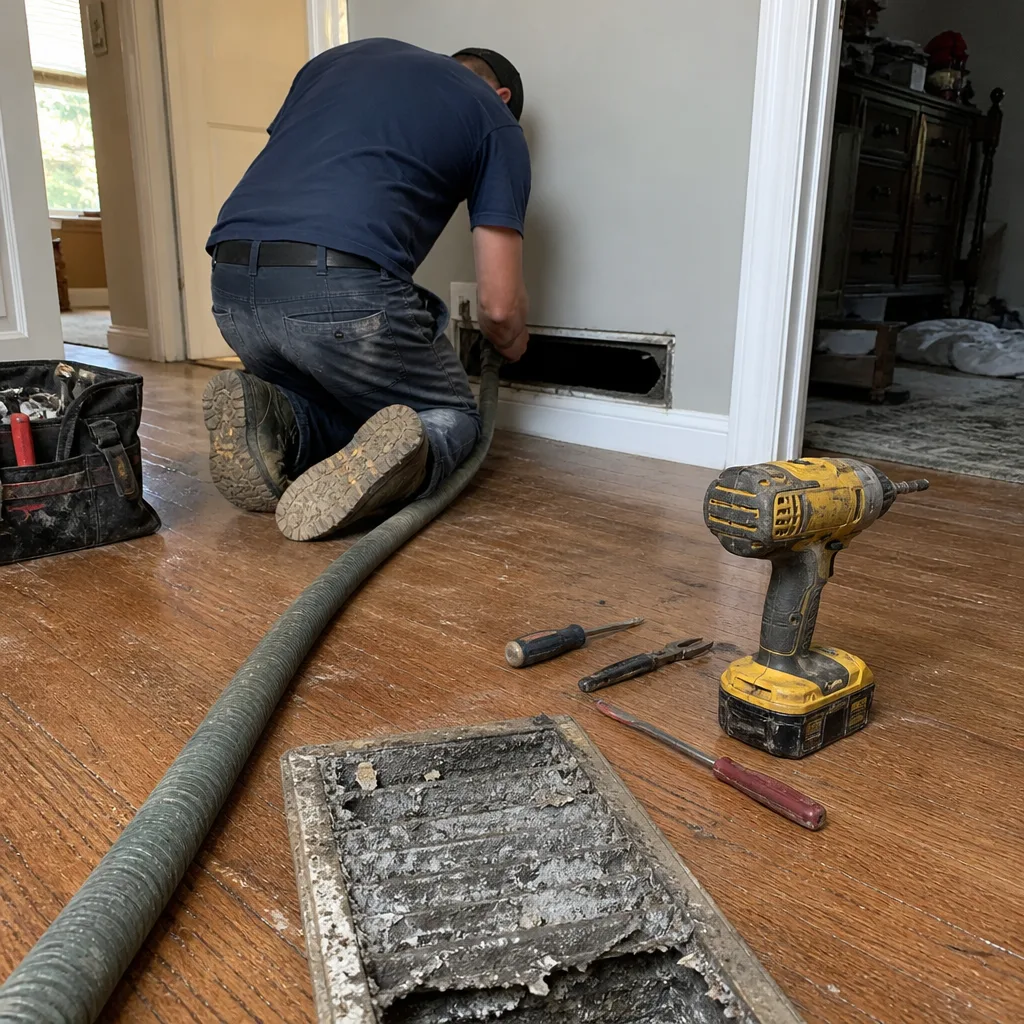 Before
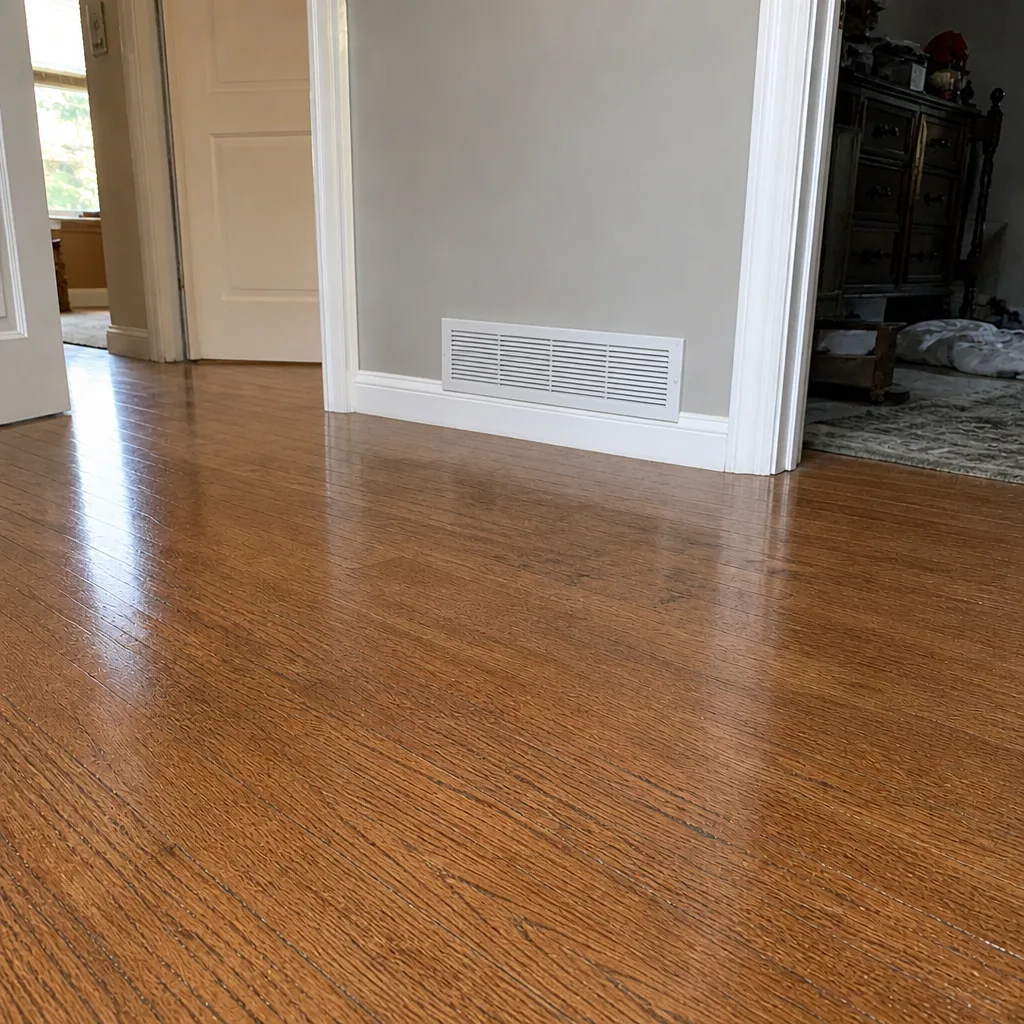 After
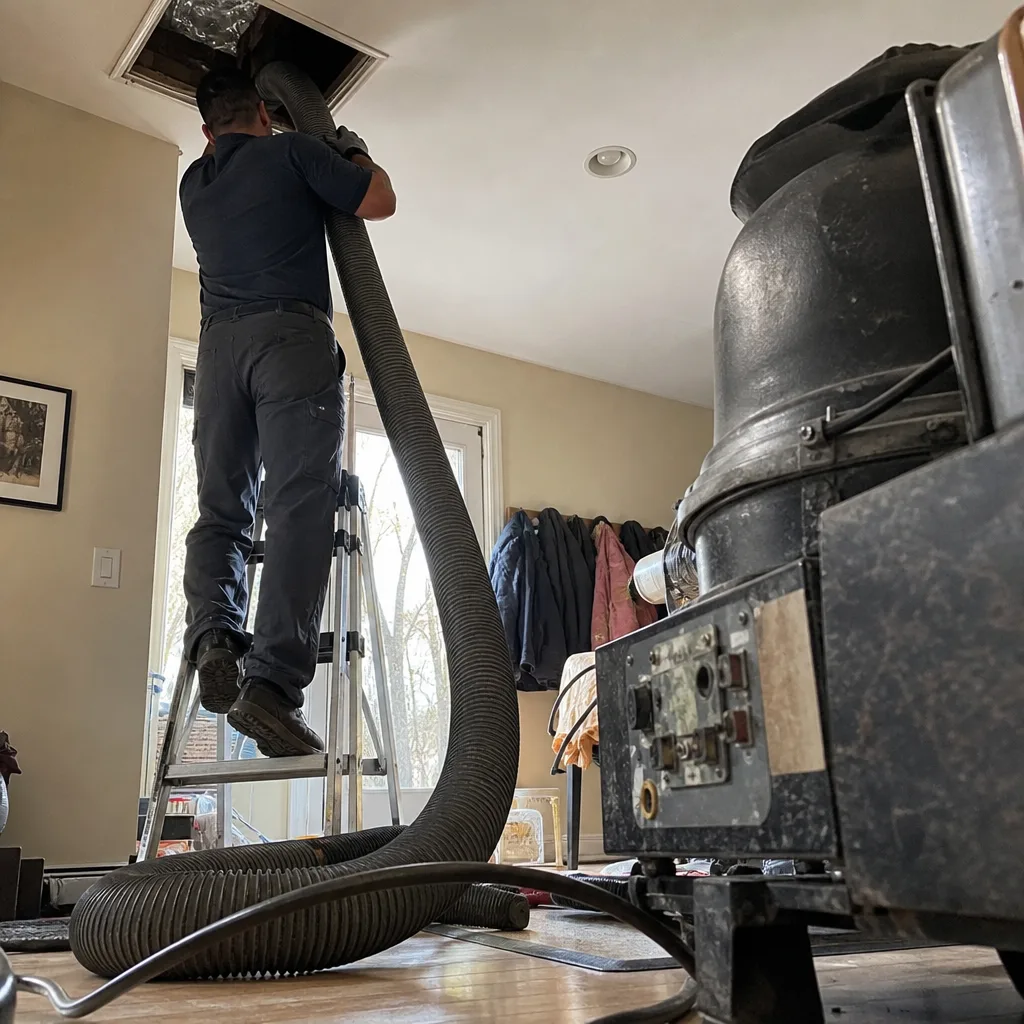 Before
 After
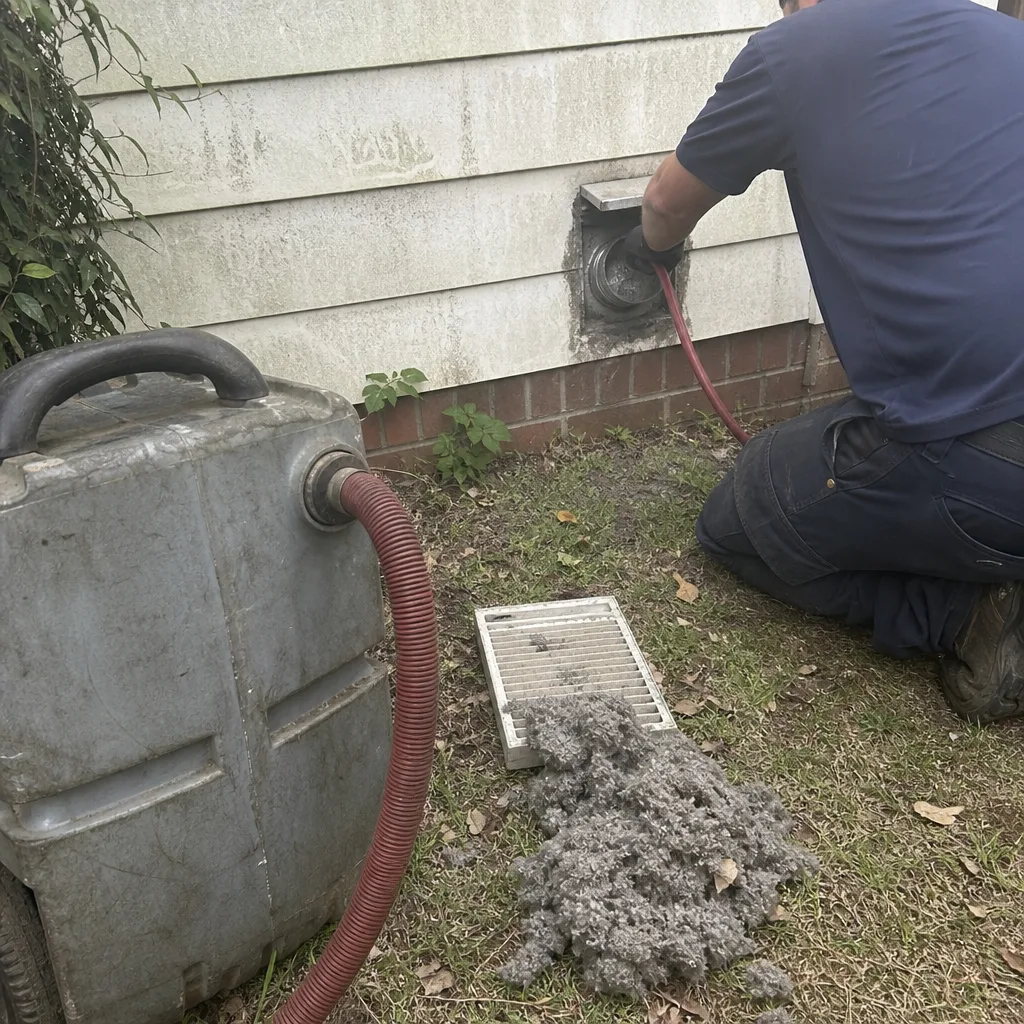 Before
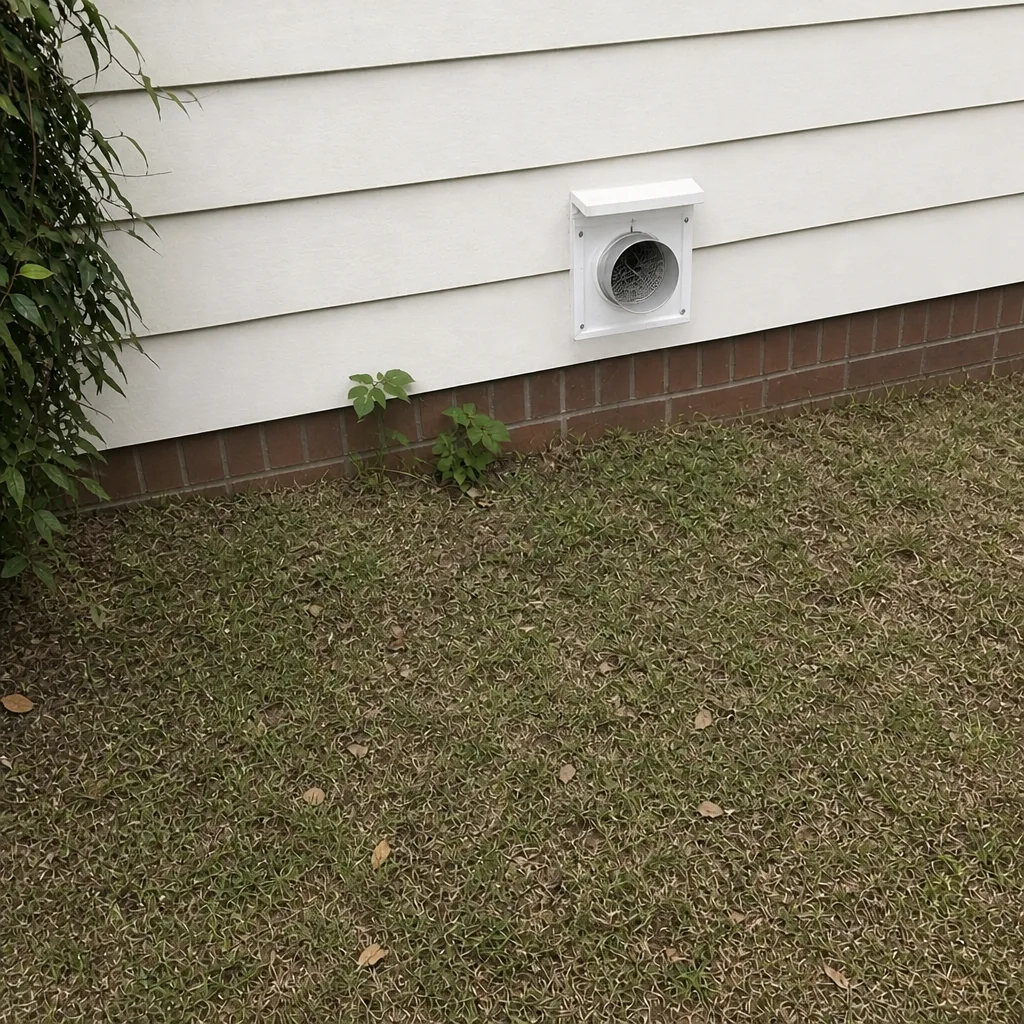 After
Frequently Asked Questions
Most North Raleigh homes benefit from a full cleaning at a meaningful transition point rather than on a fixed annual date, with a professional inspection each season. The right interval depends on your filter discipline, whether you have pets, and how much pollen the return path pulls in each spring. A documented seasonal record tells you when the system has actually crossed into contamination, which is more reliable than any fixed schedule. Call (877) 820-8110 for an exact quote after a free estimate; estimates are free.
Spring is the highest-volume particulate loading period for North Raleigh duct systems because oak catkins and pine pollen flood the return-air path faster than standard filters are rated to handle. That means filter checks and grille inspections in March through May matter more than the rest of the year combined. Relying on a manufacturer’s interval misses the peak. Call (877) 820-8110 to schedule a spring inspection; estimates are free.
Yes. When relative humidity stays above 60%, poorly insulated flex duct in attics and crawlspaces can drop below the dew point and form condensation on its outer surface. Persistent condensation on insulation sets up the conditions for mold growth. The sign to catch is damp, cold outer surfaces before mold establishes. If an inspection finds damaged insulation or separated joints, we handle duct repair and sealing in-house. Call (877) 820-8110 for a free estimate.
A brief burn-off smell at the first heating cycle is normal, but a smell that persists across cycles is the system re-suspending what settled in the ductwork during cooling season. Fall, at the first heating startup, is the right time to inspect rather than a calendar date, because that’s when the dormant season’s accumulation is still in place and visible. If the smell doesn’t clear, have the system professionally cleaned and inspected. Call (877) 820-8110 for a free estimate.
They concentrate the indoor particulate load in winter because closed windows mean less fresh-air exchange to dilute what’s circulating. Pet dander and hair collect on return grilles faster, and cooking particulates have fewer places to go. A vented range hood and disciplined filter changes help, but a system that’s loaded from previous seasons needs cleaning before the closed-window months begin. Call (877) 820-8110 to book a cleaning; estimates are free.
We use Rotobrush and Nikro duct cleaning systems, which are purpose-built vacuum and brush equipment designed to agitate and extract material from duct walls rather than passively vacuum it. We also deploy Abatement Technologies air filtration on-site to contain dislodged debris during cleaning instead of redistributing it through the home. That equipment is part of what separates a real cleaning from a surface pass, and we name it because it’s what you’re actually paying for. Call (877) 820-8110 for a free estimate.
The Bottom Line
Seasonal duct care in North Raleigh works when it follows the seasons instead of a single annual date. Spring is for pollen discipline: filter checks and grille inspections through March, April, and May. Summer is for humidity watch, catching condensation on flex duct before mold establishes. Fall is for the heating startup inspection, triggered by the first run of the heat rather than a calendar date. Winter is for concentrated particulates and source control. Document each transition, and you’ll have a contamination history that tells you when to clean rather than when to guess. And when the system needs professional equipment, that’s one call across the whole system, ducts, dryer vent, HVAC, sanitizing, and repair. Call (877) 820-8110. We answer 24/7. Fast dispatch from 7am to 7pm, Sunday through Friday, and estimates are free.
Written by the team at Air Duct Cleaning North Raleigh.