
Last updated November 24, 2026
 Whole-home duct cleaning
 Dryer vent cleaning
 Camera inspection
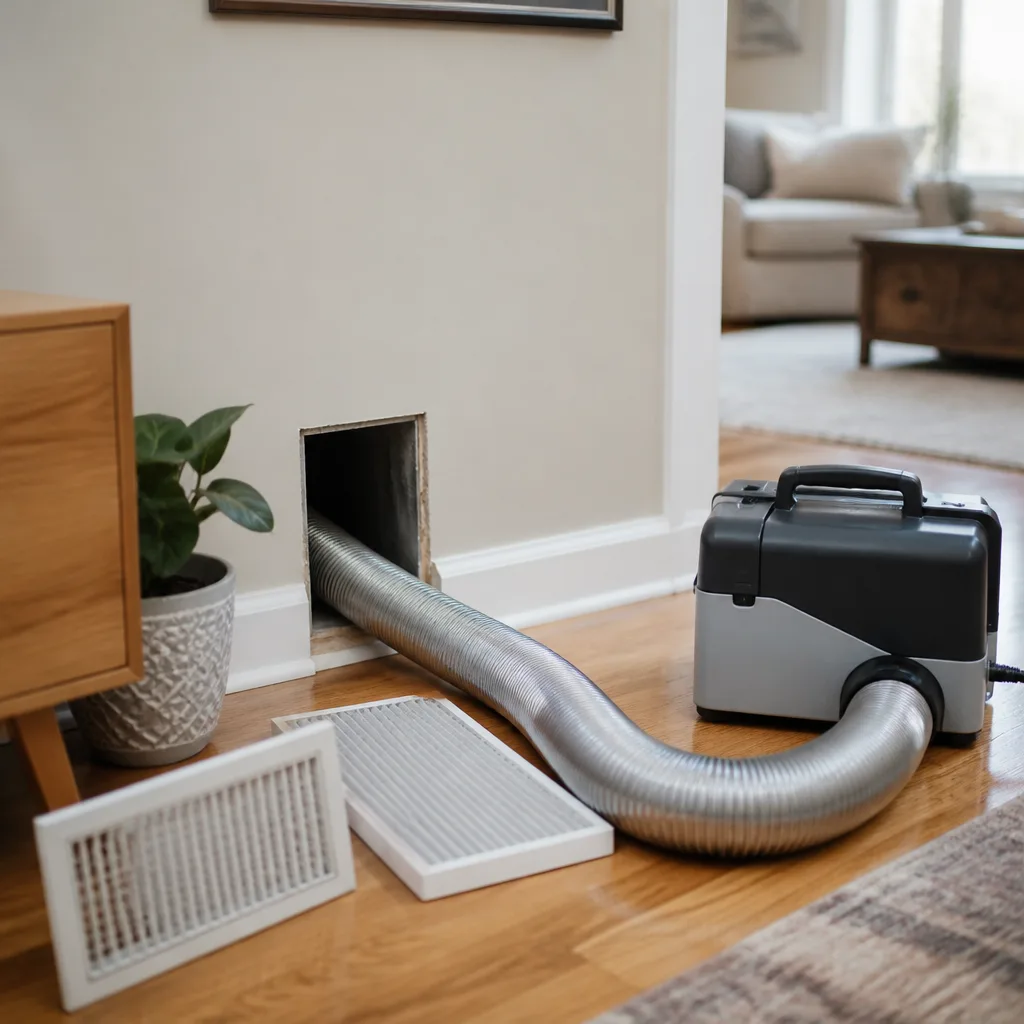 Sanitizing & deodorizing
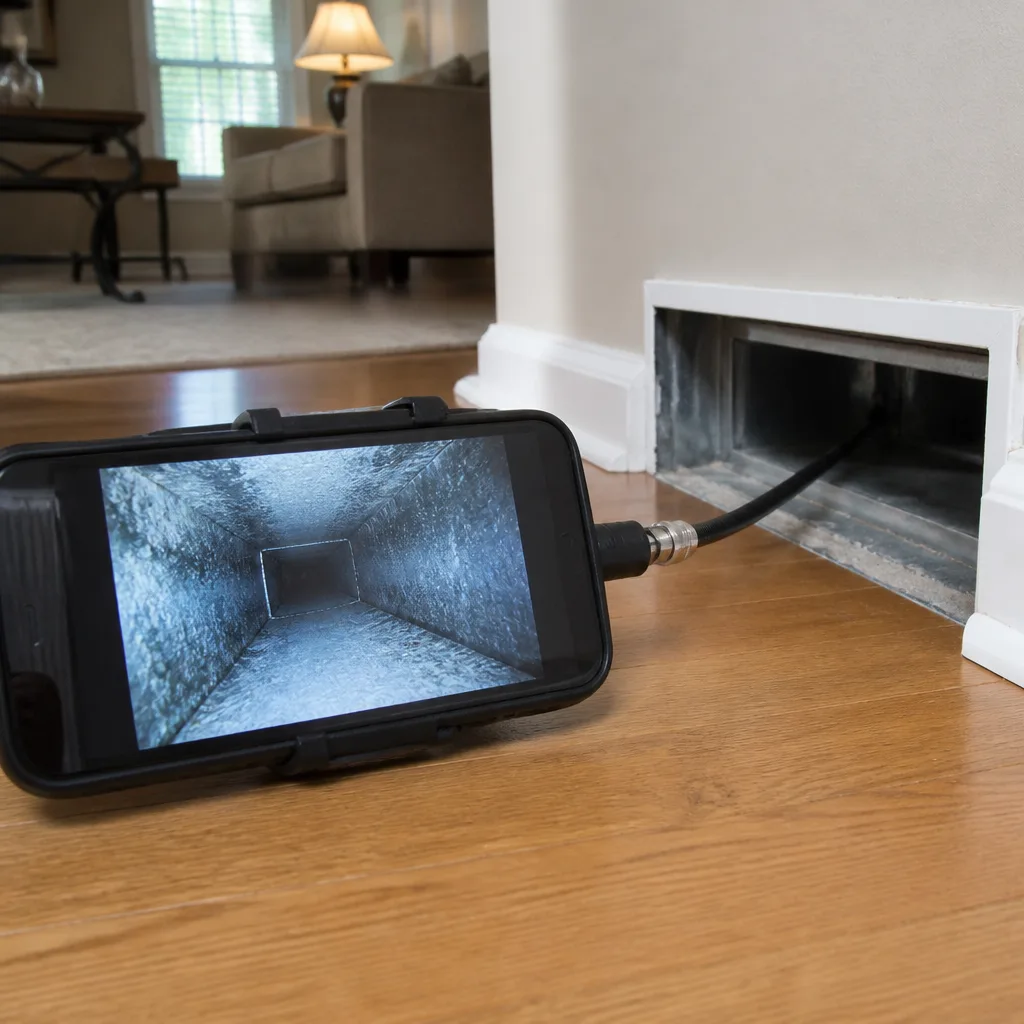
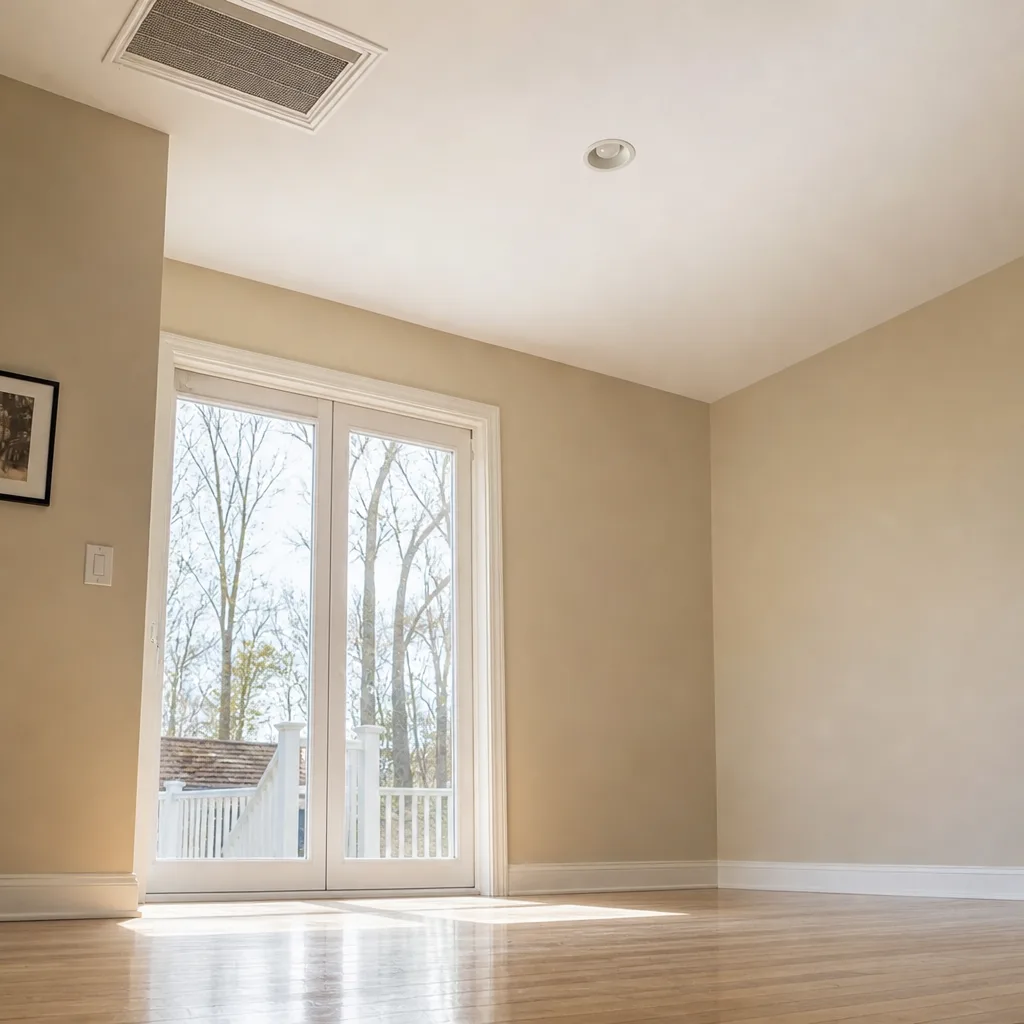
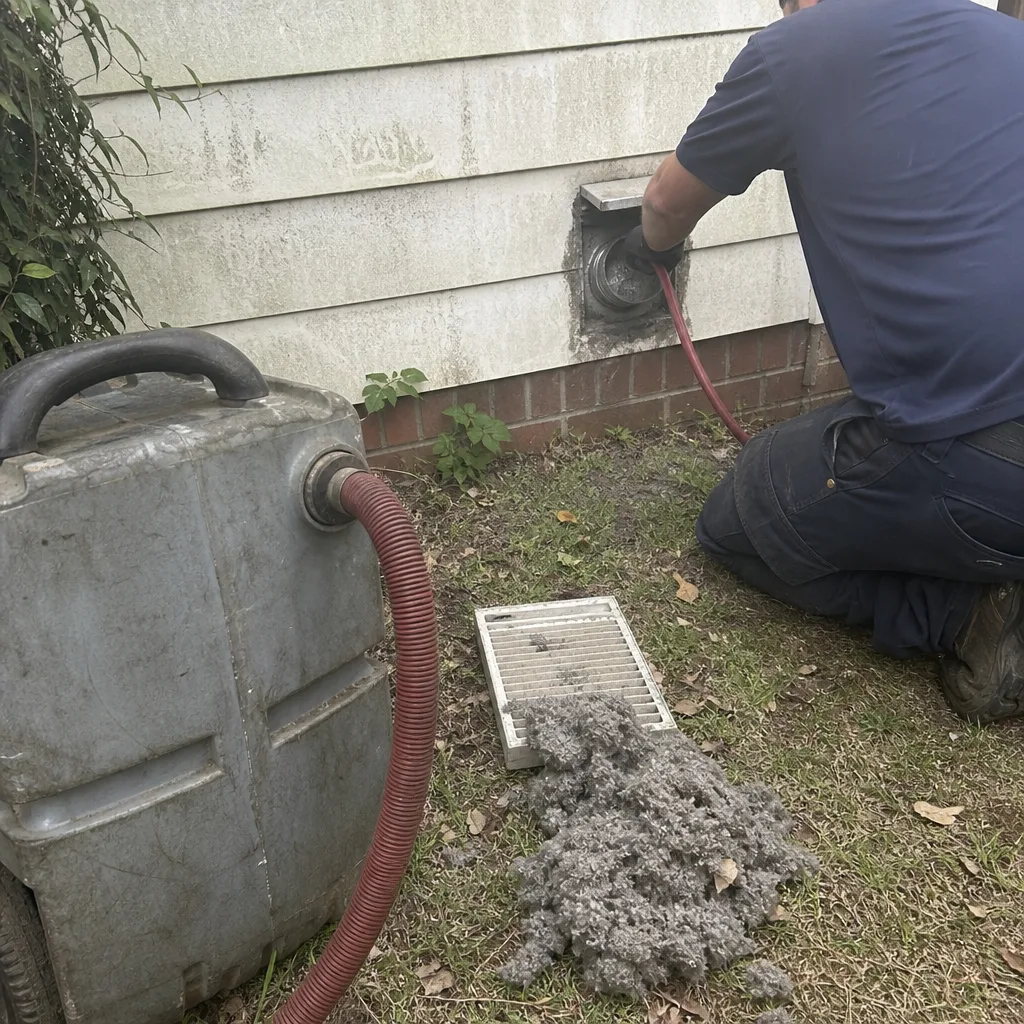
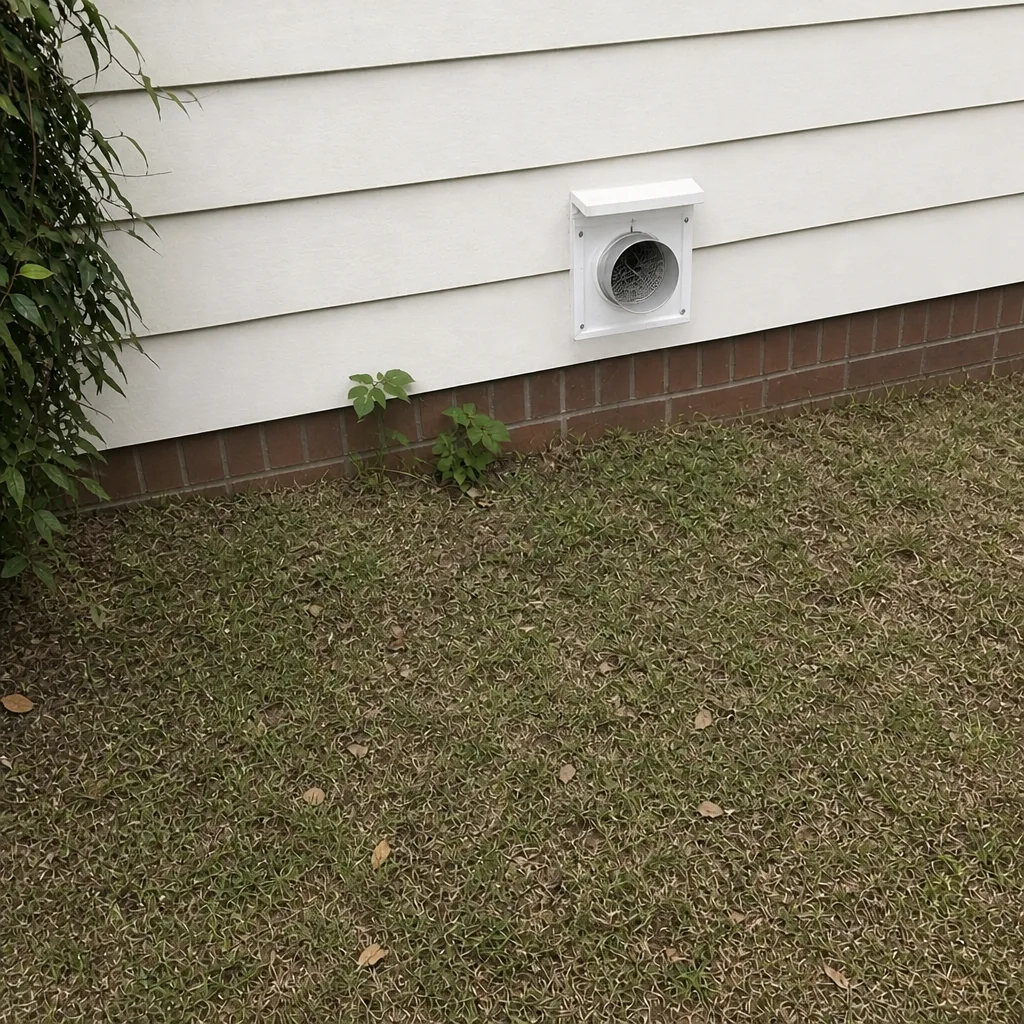
Whole-system duct and dryer vent check with before-and-after photos - you see exactly what came out of your vents
That "$99 whole-house special" is a bait ad - the real number appears once they are in your hallway, or the "clean" is a shop-vac at the register. We photograph the inside of your ducts before and after instead.
Air Duct Cleaning Warning Signs: A North Raleigh Homeowner’s Reference Guide
Most North Raleigh homeowners call about ducts only after something dramatic happens: a streak of mold above a register, a system that quits in July, or a smell they can’t trace. By then you’re reacting, and reacting is expensive. The truth is that a duct system usually telegraphs trouble weeks or months in advance, and the signals show up in places you already look every day: furniture tops, register covers, room temperatures, energy bills, and your own nose. None of it requires special gear to notice. What this guide gives you is pattern recognition, so you can tell normal house behavior from a system asking for attention.
Quick Answer
Air duct cleaning warning signs in a North Raleigh home include dust returning to horizontal surfaces within 48 hours of cleaning, uneven room temperatures that don’t match your thermostat settings, musty or dead-animal odors that change when the system runs, discolored supply registers, and a sudden drop in cooling efficiency during humid months. Two or three of these together usually point to a contaminated supply plenum, failing duct seals, or a fouled evaporator coil, all of which a professional inspection can confirm before the problem spreads. Single signs can be normal house behavior; clusters are what matter.
Styles & brands we work with
- Whole-home duct cleaning
- Dryer vent cleaning
- Camera inspection
- Sanitizing & deodorizing
Table of Contents
- Why does dust come back within 48 hours?
- What uneven room temperatures actually tell you
- Odor diagnostics: growth, rodents, and coil fouling
- Reading your register covers for contamination patterns
- Warning signs on your energy bill first
- How North Raleigh humidity accelerates duct problems
- When symptoms follow the air, not the season
- Warning signs in recently purchased homes
Why does dust come back within 48 hours?
Dust reappearing on a tabletop within two days of a thorough cleaning is not a housekeeping failure. It’s supply-air velocity and filtration mismatch, and your duct system is signaling it clearly. When dust settles on a clean surface that fast, the particles are being pushed out of the supply registers rather than pulled into the return, which means the contamination is living downstream of the filter, inside the ducting itself or on the supply plenum walls.
The distinction matters. Normal dust accumulation falls evenly, builds slowly over a week or more, and gathers on the tops of doors, blinds, and high shelves first. Particulate redistribution from a contaminated supply plenum has a different signature:
- It lands heaviest directly below and a few feet out from supply registers, not in corners or closets.
- It reappears fastest in rooms with the highest airflow, which in most North Raleigh homes means the bedrooms over the garage and the bonus room.
- It feels slightly fine and powdery, more like talc than lint.
- It returns the day after a thorough cleaning, not a week later.
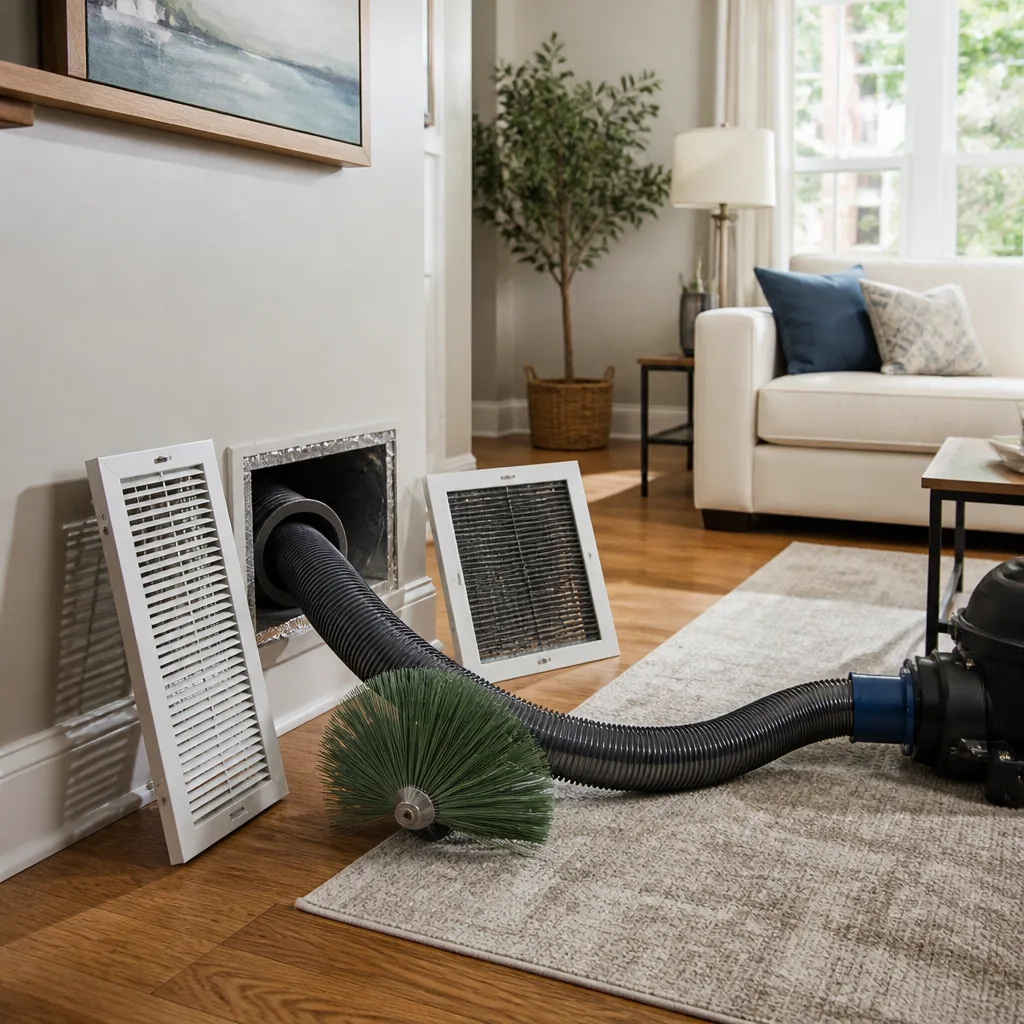
What we see in North Raleigh homes is that the supply plenum takes on a coating that homeowners never see because it’s above the ceiling line. When we run a Rotobrush whip line through a supply run and follow it with a Nikro negative-air setup, the material that comes out tells the story the cleaning cloth couldn’t. If your dust pattern matches the list above, the fix is not a new HVAC filter. It’s a proper inspection of the plenum and the trunk, plus verification that duct seals are intact. Filter upgrades help, but they don’t undo what’s already inside the ductwork.
What uneven room temperatures actually tell you
A room that runs three to five degrees warmer than the rest of the house is usually a duct integrity problem, not an equipment sizing problem. This is one of the most misunderstood signs in North Raleigh, where homes between Falls River and Wakefield often have complicated layouts and long duct runs that make integrity hard to maintain.
The diagnostic question is whether the room was ever comfortable. If the room has always been warm, the system may be undersized for the space or the duct design may have too much static pressure. If the room used to be fine and now isn’t, duct leakage or separation is the more likely cause. The two respond to entirely different fixes:
- Always been uneven: check thermostat zoning, damper balance, and equipment sizing. A duct cleaner can advise, but a manual J calculation or equipment change may be the real answer.
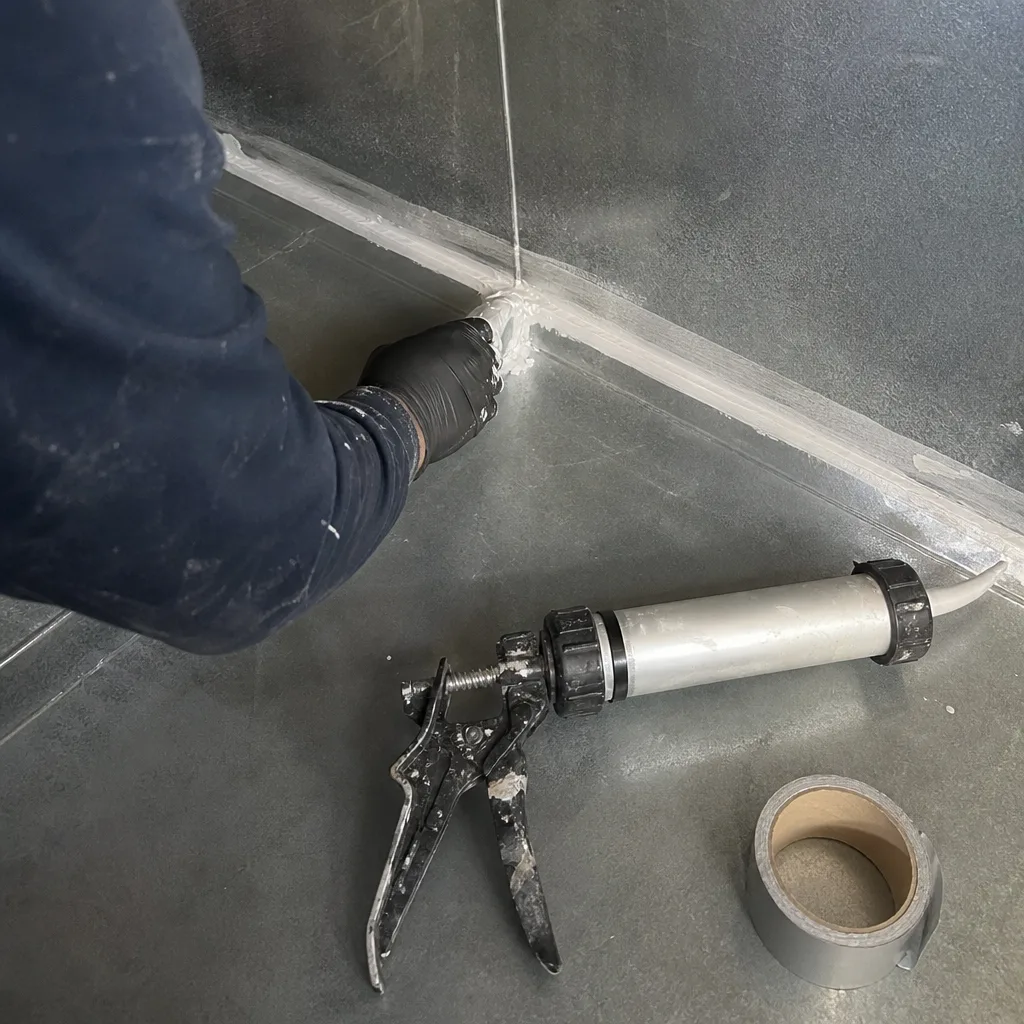
- Became uneven recently: suspect disconnected flex duct, failed mastic at a joint, or a crushed run. Cleaning plus duct repair and sealing is the answer, and it’s a job we handle in-house rather than handing you off to a second contractor.
- Uneven only in summer: low refrigerant charge, dirty evaporator coil, or humidity-related coil icing. HVAC cleaning and coil fouling checks come first.
Most duct cleaners stop at step two and don’t ask the question that separates the three. That’s why we treat duct repair and sealing as a core service instead of an add-on; cleaning reveals separation or crushed duct often enough that it’s a real risk to walk away from it. In our experience across North Raleigh, an ignored “warm bedroom” complaint is one of the most expensive ducts problems there is, because it usually gets chased through three or four other trades before anyone looks inside the ducts.
Odor diagnostics: growth, rodents, and coil fouling
Three smells in a home duct system get lumped into “musty” by most homeowners, and they are not interchangeable problems. Each has a distinct profile, and each requires a different response. If you can name which of these you’re smelling, you save the diagnostic step.
Microbial growth (mold or mildew)
A damp, locker-room smell that’s strongest in the first minute after the system kicks on. It fades a bit when the blower runs for a while. This usually points to moisture staying inside the ducting, an oversized or poorly draining evaporator coil, or condensation on cold supply runs in a humid crawlspace. North Raleigh summers make this the most common of the three.
Dead rodents or animal debris
A sharp, sweet-then-rotten smell that’s steady rather than airflow-dependent. It gets worse when the system is off and can be located by following your nose to a specific register or return. Rodent intrusion through exterior walls and attic chases happens in North Raleigh, particularly in homes near wooded greenways and older neighborhoods with mature tree cover.
Fouled evaporator coil
A sour, dirty-laundry odor that’s strongest when the system is cycling and least noticeable between cycles. It comes with a slight efficiency drop and often gets worse over weeks. Coil fouling is the one that most often gets missed because the coil is behind the air handler door, not in the ducting, so a duct-only cleaning won’t fix it. Our HVAC cleaning covers the coil and air handler as part of the same visit.
Once you’ve placed the smell, the response is straightforward: microbial growth needs sanitizing plus moisture control, rodent evidence needs cleaning plus exclusion, and coil fouling needs coil cleaning. Naming the smell correctly is where the savings start.
Reading your register covers for contamination patterns
Register covers are the cheapest diagnostic tool in your house, and most homeowners never look at them closely. The discoloration pattern on the inside face of a supply or return grille tells you what’s moving through the airflow and where it’s coming from. Get a flashlight and hold it at an angle to the grille slats; the pattern is easier to read with raking light.
- Uniform gray ring around the perimeter of the grille: normal dust accumulation. Nothing alarming unless it comes back within days of cleaning.
- Oily, slightly tacky film: cooking vapors or aerosolized oils traveling through the return. Common in kitchens open to living areas and in homes where candles and oil diffusers get used heavily.
- Spotty deposits, especially near the edges and corners of the slats: heavier particulates being pushed through the supply downstream of the filter. Points toward plenum contamination.
- Dark streaking on the ceiling right above the register: air escaping around the grille boot, often a poor seal rather than a duct problem. Easy to fix, and it’s stopping the streak at the source.
- Black or dark-green mottling on the grille itself: microbial growth consistent with high humidity at that register, usually the last one on the run or the one closest to a crawlspace supply.
We look at these patterns on every estimate because they tell us where to focus the inspection. A North Raleigh home with spotty deposits on the supply grilles and oily film on the return grilles has two different problems, and no single cleaning setting handles both. Matching the equipment to what the registers tell us is why we name our equipment: the Rotobrush and Nikro systems are built for this work, not repurposed vacuums, and they’re selected per job based on what the register patterns reveal.
Warning signs on your energy bill first
A sudden cooling efficiency drop of 10 to 15 percent over a few summer months is usually a duct problem, not a rate change. This is the sign that shows up on paper before it shows up in air quality, and it’s the one that gets blamed on the utility company far more often than it should. In North Raleigh’s humid summers, the bump is easier to spot because the drop-off between two comparable July bills is otherwise minimal.
Here’s what a 10 to 15 percent cooling efficiency loss usually points to when the ducts are the culprit:
- Duct leakage in unconditioned space. Supply ducts running through an attic or crawlspace that lose 10 to 20 percent of their air before it reaches a room are the single most common cause. The system runs longer to hit the thermostat, and the bill shows it.
- Partially blocked return. A return that’s collapsed, crushed, or lined with debris raises static pressure and forces the blower to work harder. Register airflow feels weak but the thermostat reads fine because the system is overshooting its cycle time.
- Dirty evaporator coil. A fouled coil can’t reject heat as efficiently, and the system runs longer. It also tends to happen in tandem with dirty ducts, since both conditions share the same source of contamination.
- Undersized or missing insulation on duct runs. Especially relevant in older homes where the original duct insulation has broken down after years of summer attic heat.
Before you blame the equipment, compare the same month year over year, then check the airflow out of the registers in several rooms. If two or three rooms have noticeably weaker airflow than the rest, ducts are the likely cause. We recommend starting with an inspection before calling an HVAC technician about refrigerant, because cleaning plus sealing is often the cheaper fix and it’s a service we perform without a second contractor.
How North Raleigh humidity accelerates duct problems
North Raleigh sits in a humid subtropical climate with summer dew points that routinely climb into the upper 60s and low 70s. For duct systems, that means one thing: the supply air coming out of the coil is significantly colder than the air surrounding the ducts in attics and crawlspaces. Any break in the insulation or any duct separation lets that cold air meet warm, moisture-heavy air, and condensation forms. Condensation on the inside of a duct is where microbial growth starts.
Newer construction in neighborhoods like Bedford and Wakefield typically handles this well because the duct insulation is spec’d correctly. Older homes, particularly on the eastern side of North Raleigh near Falls of Neuse and Millbrook, often have duct insulation that was installed to a lower standard and has since degraded. Walking a run of attic flex duct from 1990 with its insulation sagging off the pipe is an easy way to see the problem before it shows up in the air.
What we watch for in humid climates:
- Condensation drip stains on the outside of supply trunks in the attic.
- Rust at the joints between metal duct sections.
- Insulation that’s separated from the inner duct liner, letting humid air reach cold surfaces.
- Standing water in the drain pan, which points to a drainage problem rather than a duct problem, but the two are often found together.
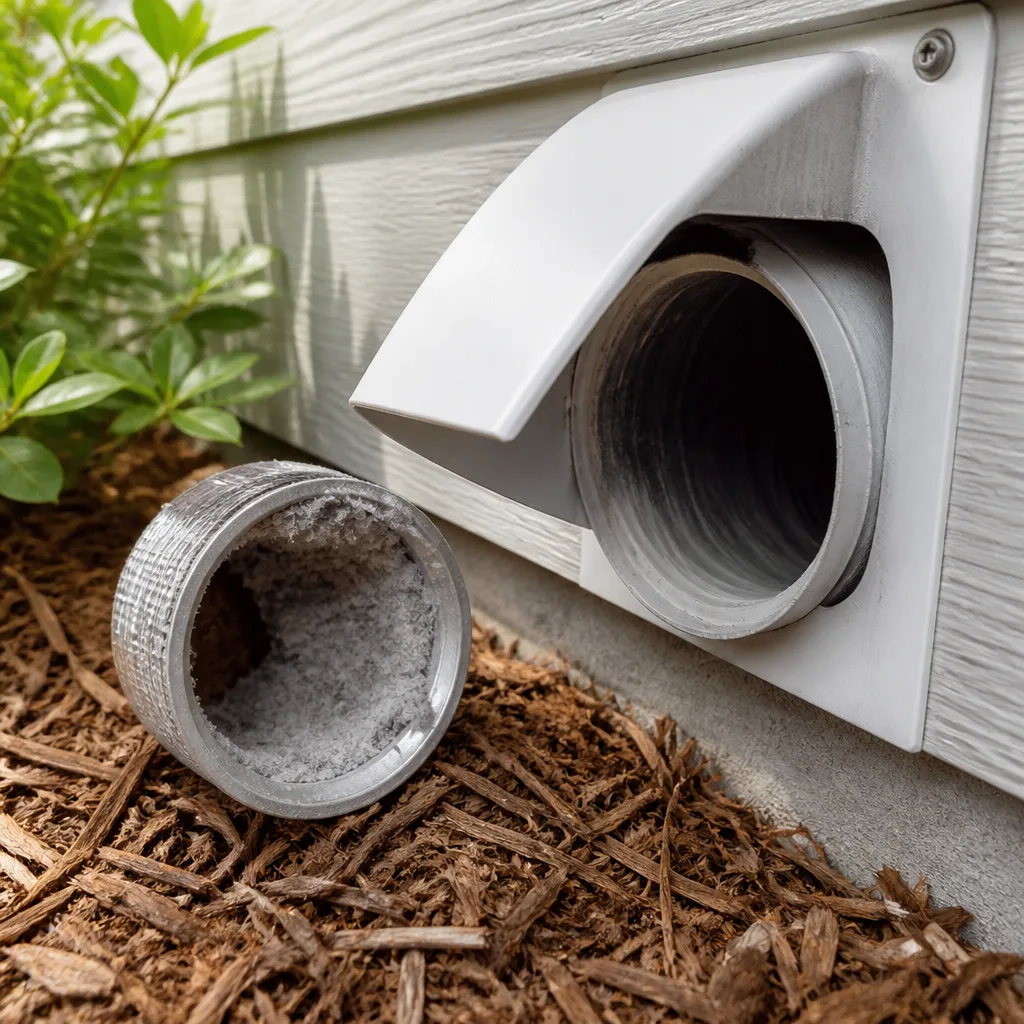
The takeaway for North Raleigh homeowners is to check duct insulation at least once a year, especially after a humid summer. A separate visit by dryer vent cleaning catches a similar category of problem in a different duct, and it’s one that most HVAC-only cleaners ignore entirely.
When symptoms follow the air, not the season
Seasonal allergies track the calendar. Duct contamination does not. If someone in the household feels worse indoors than outdoors, or if symptoms kick in specifically when the system starts running, the ducts are the more likely source than the pollen count. The pattern to watch for is timing: symptoms that build over the first 20 to 30 minutes of the system running and ease when it cycles off.
This is the sign that’s easiest to reason about and hardest to prove. The clean test is a weekend away from home during a high-pollen period. If symptoms clear up away from the house and return within a day of getting back, the air handling side of the system belongs on the suspect list. If symptoms track outdoor conditions regardless of location, the ducts probably aren’t the primary issue.
One thing we won’t do is overstate the health connection. Clean ducts make a house easier to live in and easier to maintain, but they aren’t a medical intervention, and anyone with a diagnosed respiratory condition should be talking to their doctor about triggers. What we can tell you with confidence is that a contaminated supply system adds particulate and, in humid climates, microbial debris to the air it circulates. If the timing pattern above fits your household, an inspection is a reasonable next step, and it’s not expensive to find out whether the ducts are the source.
Warning signs in recently purchased homes
A home purchased in the last year is disproportionately likely to have duct problems because a seller is rarely motivated to fix what a buyer doesn’t see. In North Raleigh’s active resale market, that means homes in established neighborhoods carry whatever the previous owner tolerated. If you bought within the past twelve months, treat the following as checklist items rather than red flags, and work through them efficiently.
- Ask when the ducts were last cleaned. If the seller can’t produce a record, assume they haven’t been.
- Run the system and smell each room. Do this on a humid day if you can, since the smell profiles are easier to separate then.
- Check every register for discoloration and debris. A flashlight at a raking angle reads the pattern, and it takes less than ten minutes for a whole house.
- Compare room airflow with a tissue test at each register. Tissue deflection angle gives you a rough read on relative airflow between rooms without any tools.
- Look inside the air handler closet for dust trails and filter bypass. Filter frames that don’t seal let air around the filter, which defeats it entirely.
- Note condensation on ducts in unconditioned space. Attic and crawlspace inspection catches the worst of the humidity-driven problems before they spread.
North Raleigh homes in neighborhoods with a mix of build eras, from the original homes near North Hills to newer builds in the Wakefield area, show different baseline conditions for ducts. A professional inspection at move-in catches the problems while you’re still motivated to fix them, and it’s far easier than catching them mid-summer.
Common Mistakes to Avoid
- Blaming the HVAC filter for everything. A high-MERV filter traps more, but it can’t undo what’s already inside the ducting. Replacing filters monthly without addressing the plenum and duct condition is a loop that never resolves the dust problem. In a North Raleigh home with heavy dust return, the filter is downstream of the issue.
- Assuming a warm room needs more refrigerant. Uneven room temperatures are commonly a duct integrity problem first. Asking for a refrigerant top-off before checking duct seals often produces a short-lived fix and a second bill later.
- Trusting a coupon price. A low headline price in this trade usually means the technician will find “problems” on site. What you want is one flat price per system agreed before work starts, and a scope that names exactly what’s being cleaned.
- Cleaning ducts without a plan for what cleaning reveals. Separation, crushed runs, and coil fouling surface during cleaning constantly. A company that only cleans will clean around the problem, which means it comes back.
- Ignoring the dryer vent because the ducts got cleaned. They’re different systems and they fail for different reasons. Dryer vent cleaning addresses a leading cause of house fires, and it’s a separate service from duct cleaning that many HVAC-only companies skip.
- Skipping the attic and crawlspace inspection. Half of the signs that matter live outside the living space. Insulation gaps, condensation, and disconnected flex runs aren’t visible from inside the air handler closet.
- Waiting for visible mold. Visible mold is where you’re already behind, not the earliest signal. The pattern signs at the registers and the timing signs on the energy bill come weeks earlier.
See the difference
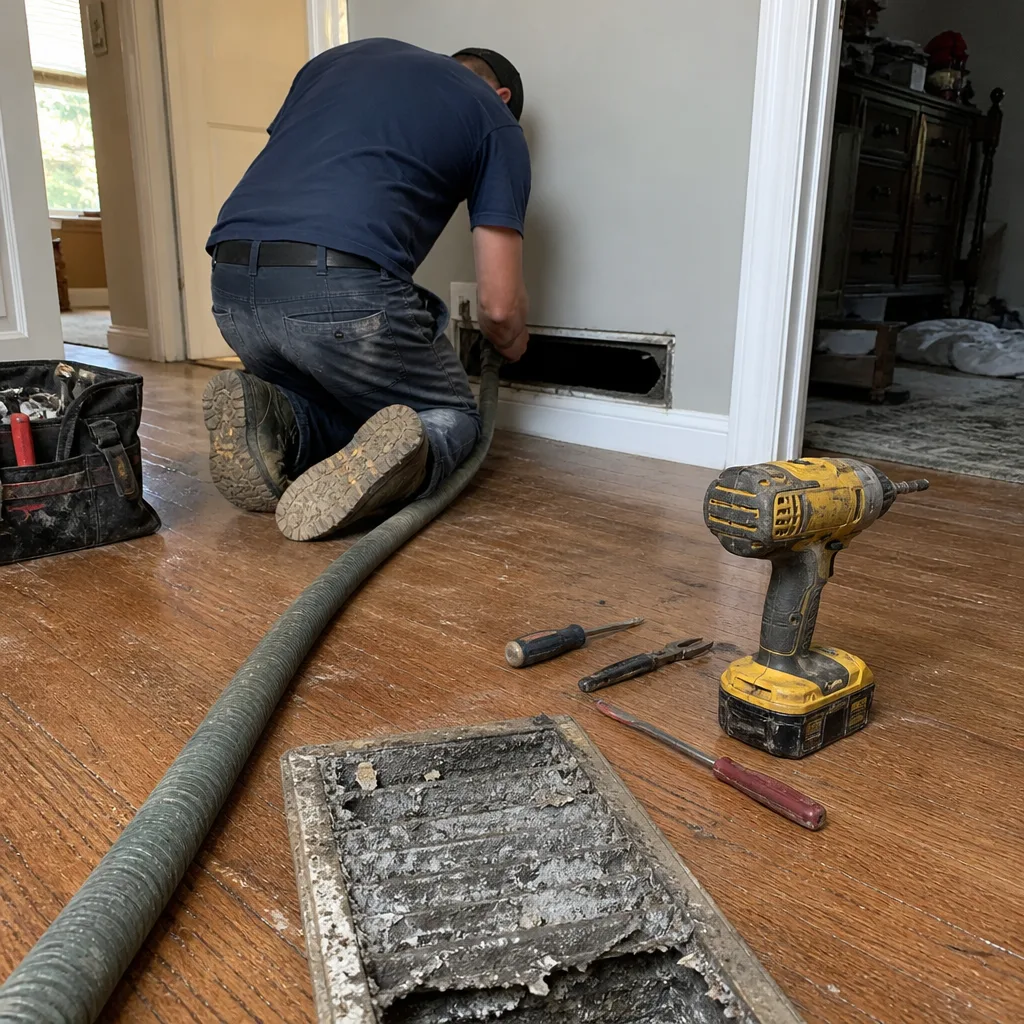 Before
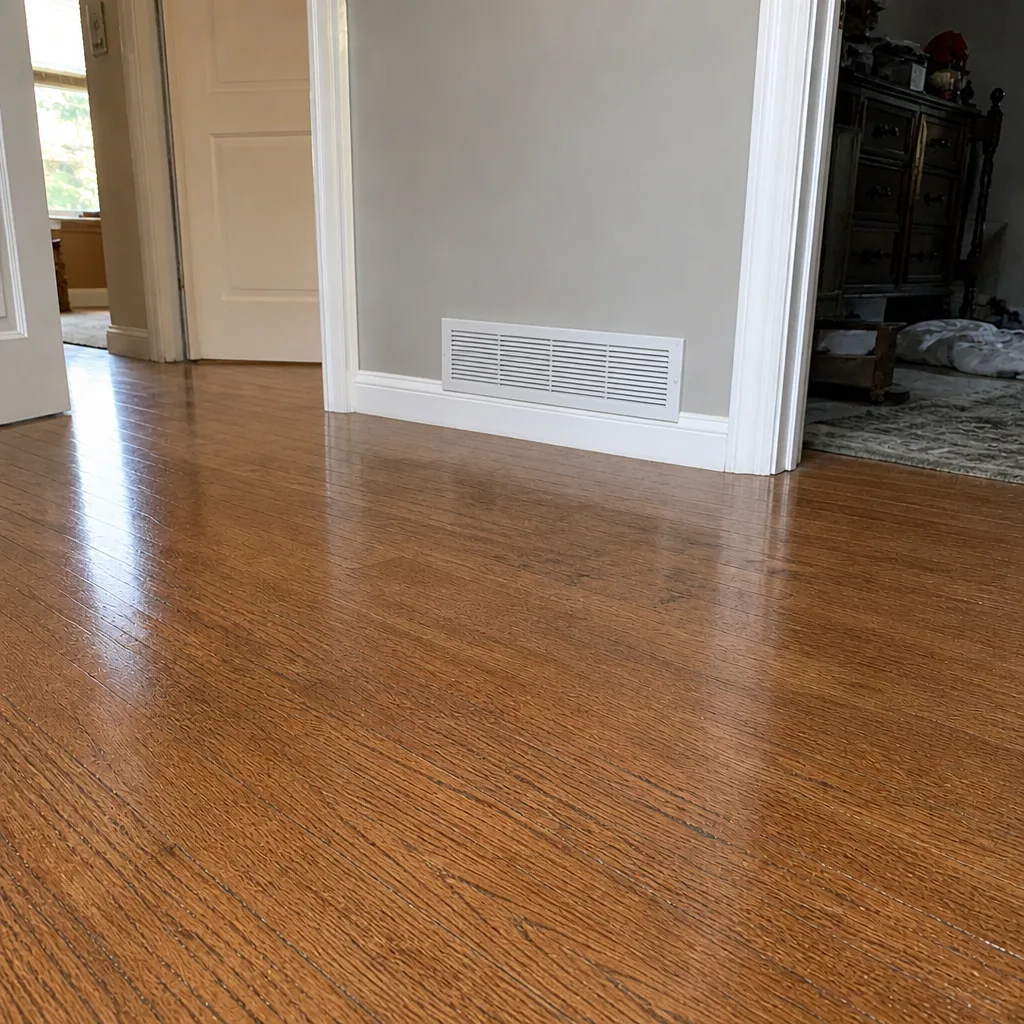 After
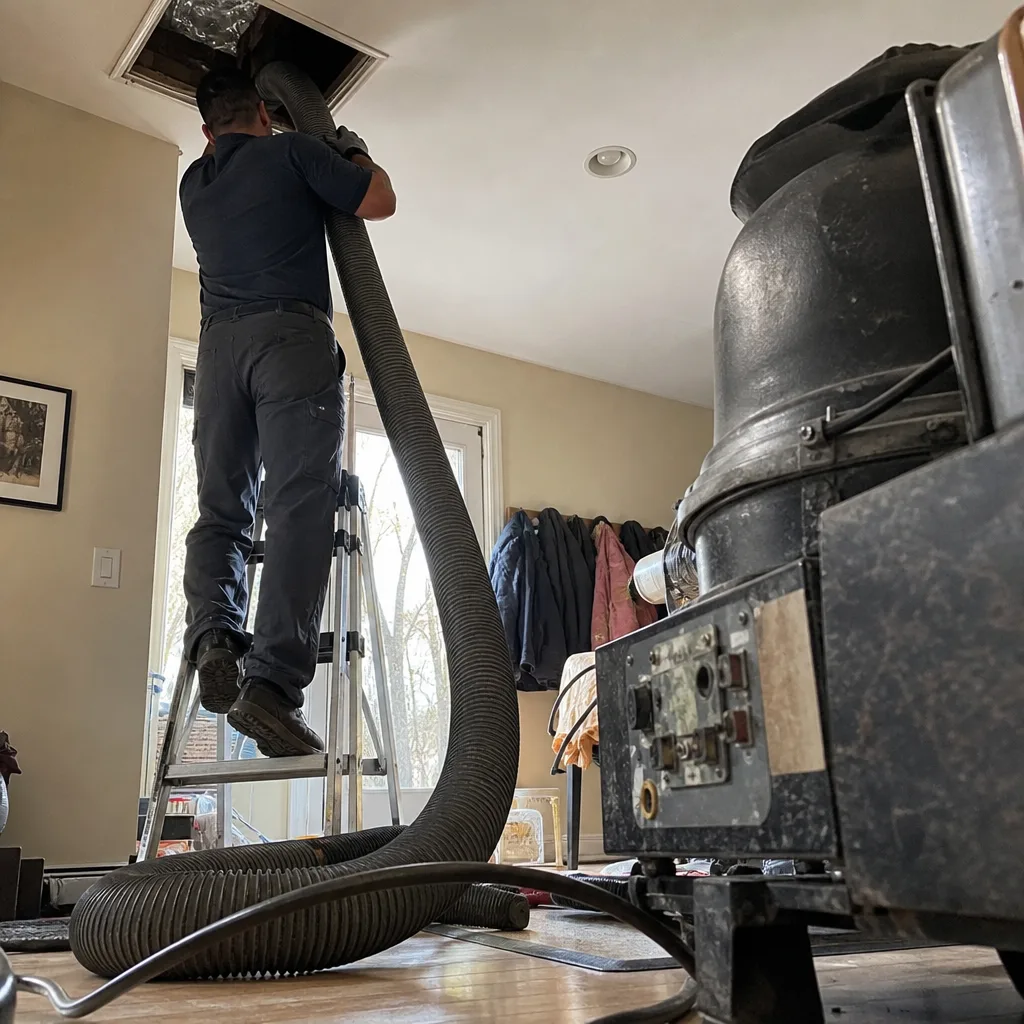 Before
 After
 Before
 After
When to Call a Professional
Call a professional when two or more warning signs overlap, or when a single sign is unambiguous on its own: visible growth on a register, a dead-animal smell that doesn’t clear, a warm room that used to be comfortable, or a 10 to 15 percent cooling efficiency drop over a single season. Also call if you’ve just bought a North Raleigh home and don’t have cleaning records from the previous owner. A professional inspection catches the problems while they’re still inexpensive to fix and lets you skip the guesswork with a proper cleaning scope. Air Duct Cleaning North Raleigh offers free estimates in North Raleigh. Call (877) 820-8110. We answer 24/7. Fast dispatch from 7am to 7pm, Sunday through Friday.
Frequently Asked Questions
Every three to five years is typical for a North Raleigh home that stays on top of filter changes and has no pets or recent renovation. Homes with shedding pets, recent construction dust, or anyone in the household sensitive to indoor air should be inspected annually rather than cleaned on a fixed schedule, since the pattern signs show up long before the system reaches a “due” date. Call (877) 820-8110 for an exact quote on a scope for your home. Estimates are free.
The lower the headline price, the more likely the scope is per-vent and the invoice will grow on site once the technician “discovers” something. The honest quote is one flat price per system, agreed before work starts, with a named scope and before-and-after photos of your own ducts. When we quote, the price you see is what you pay for the scope you saw. Call (877) 820-8110 for an exact quote. Estimates are free.
Before-and-after photos of your own ducts, taken during the cleaning itself, are the only reliable proof. Ask any company you hire to provide them, and ask what equipment is being used. We deploy Abatement Technologies air filtration on site to contain dislodged debris rather than redistribute it, and we photograph the ducts as we work. Call (877) 820-8110 for an exact quote. Estimates are free.
Yes, and the number to watch for is a 10 to 15 percent cooling efficiency drop over a single summer. Leaky supply ducts in an attic or crawlspace lose up to 20 percent of their air before it reaches the rooms, which makes the system run longer and shows up on the bill before it shows up in the air. If your bill jumped that much with no rate change, start with a duct inspection. Call (877) 820-8110 for an exact quote. Estimates are free.
Not always, since single signs happen in normal homes. One gray ring on a register cover, a warm bedroom on a July afternoon, or a faint musty smell after a humid week can each be nothing more than house behavior. Two or three of these overlapping is the pattern that warrants an inspection, and a single sign of visible growth or a dead-animal odor is enough on its own. Call (877) 820-8110 for an exact quote. Estimates are free.
We repair and seal ducts in-house, so you don’t need to source a second contractor after cleaning reveals a problem. That’s the advantage of working with a company that treats duct repair and sealing as a core service rather than a referral. The estimate is written before work starts, and the scope is adjusted only with your approval. Call (877) 820-8110 for an exact quote. Estimates are free.
The Bottom Line
North Raleigh duct problems announce themselves long before they show up as visible mold or an HVAC breakdown. Dust returning within 48 hours, uneven room temperatures that don’t match the thermostat, odors that change with the system cycle, discolored register covers, and a sudden drop in cooling efficiency are the five families of warning signs, and two or three together mean it’s time to inspect. Clean ducts are only the beginning; the real fix is matching the cleaning to the pattern the ducts reveal, and sealing what cleaning uncovers. If you’re seeing these signs in your North Raleigh home, call (877) 820-8110. We answer 24/7. Fast dispatch from 7am to 7pm, Sunday through Friday, for a free estimate on a scope built for your system. Start with our air duct cleaning North Raleigh page for the full-service overview, and if you’re comparing providers on equipment and process, ask what we name: Rotobrush, Nikro, and air duct cleaning built around a written scope and one flat price per system.
Written by the team at Air Duct Cleaning North Raleigh.