
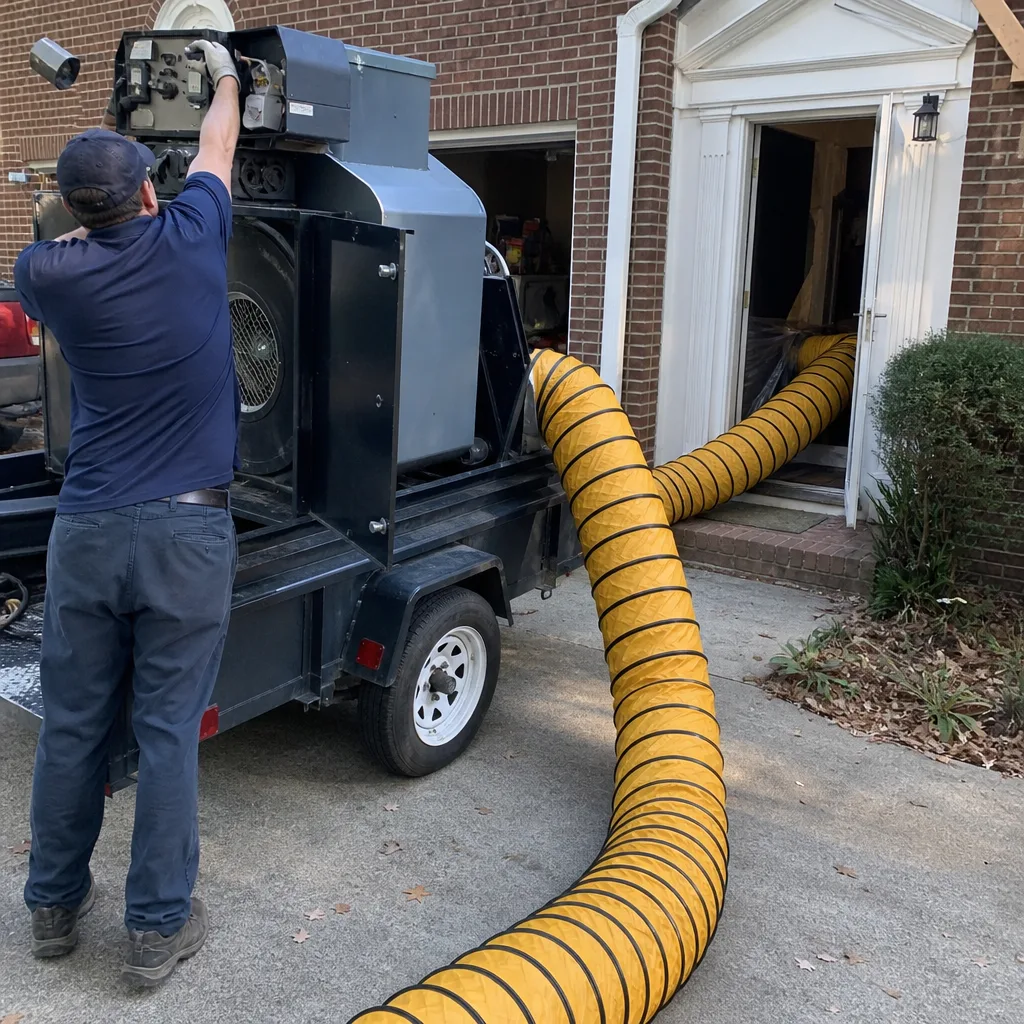
Last updated November 24, 2026
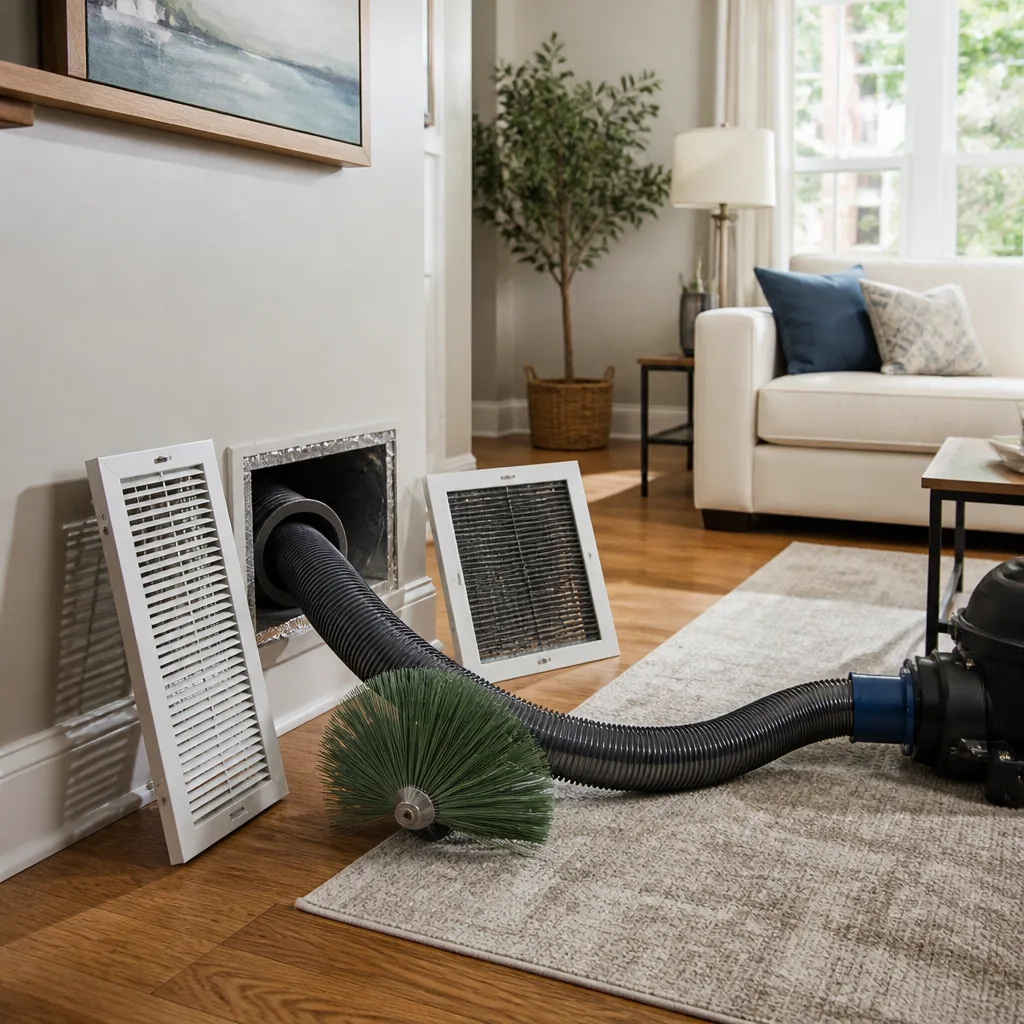 Whole-home duct cleaning
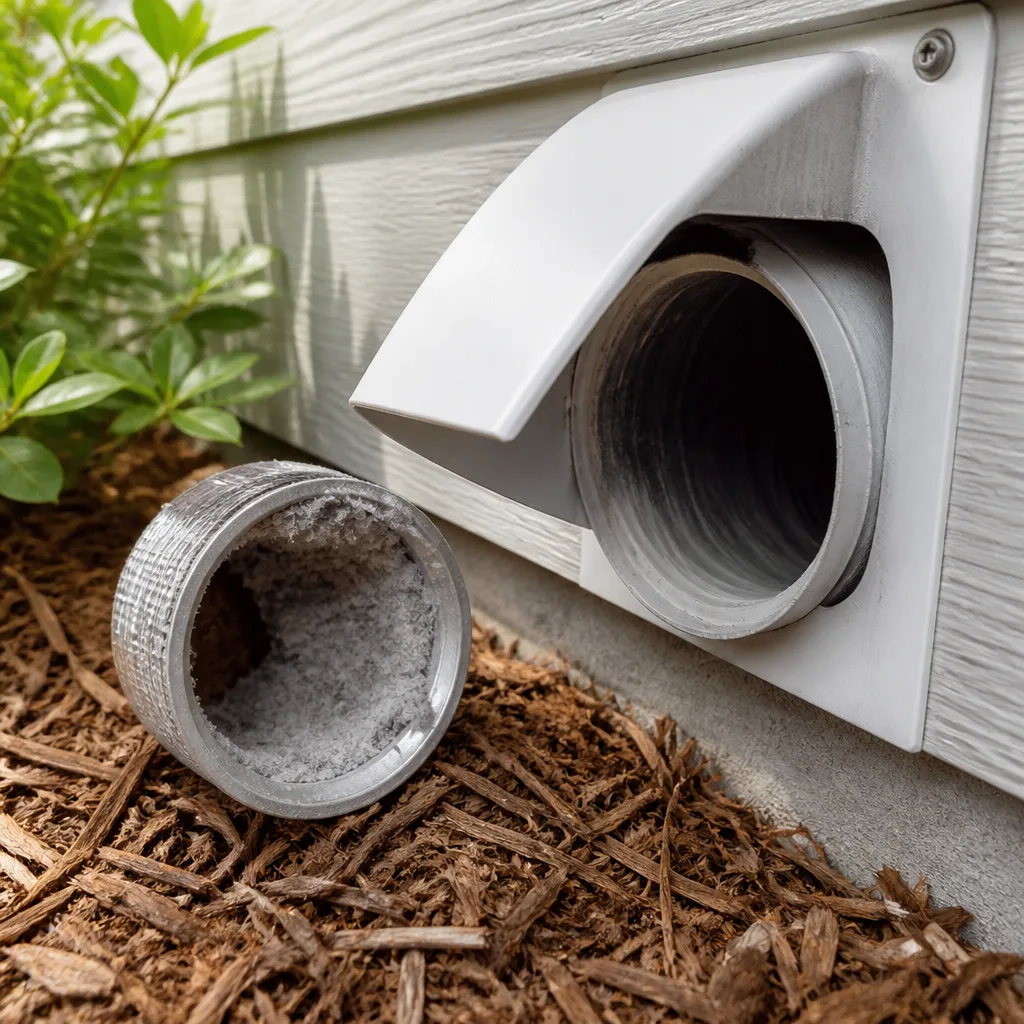 Dryer vent cleaning
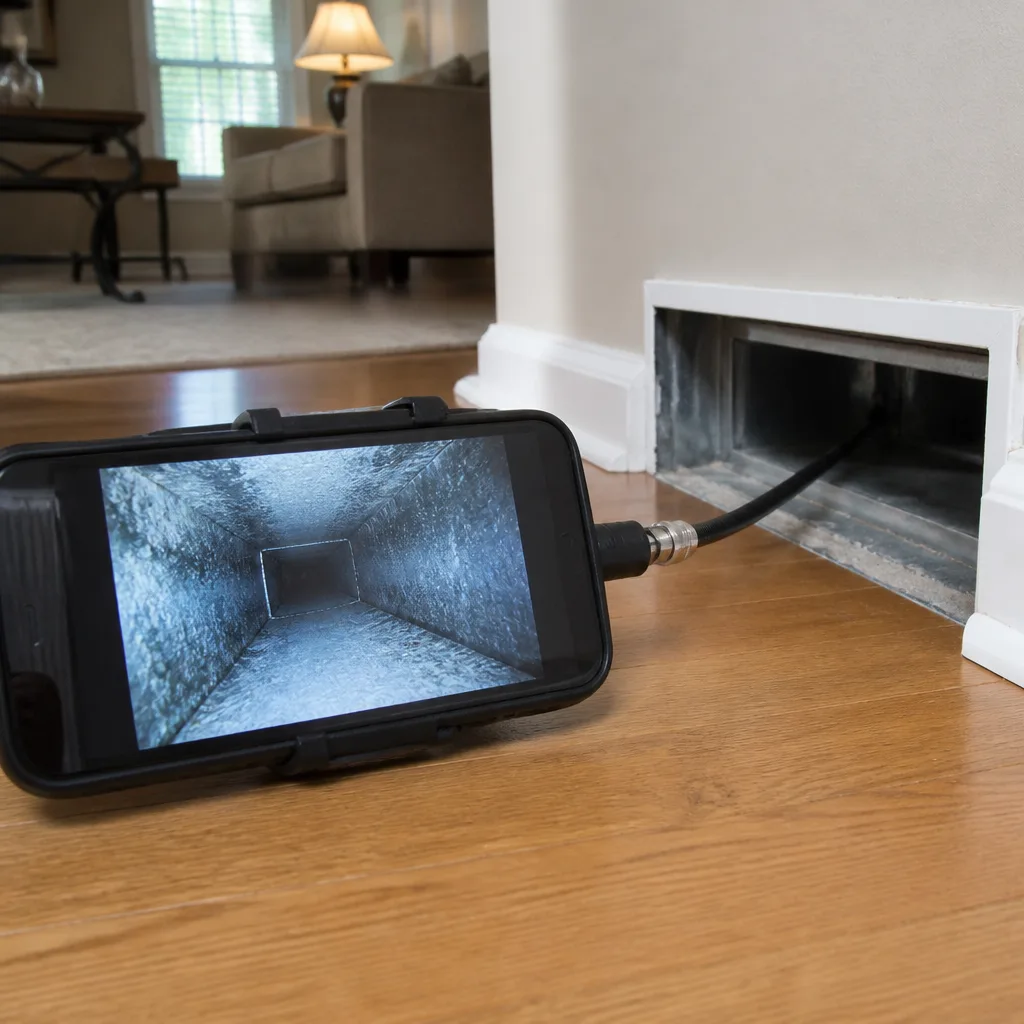 Camera inspection
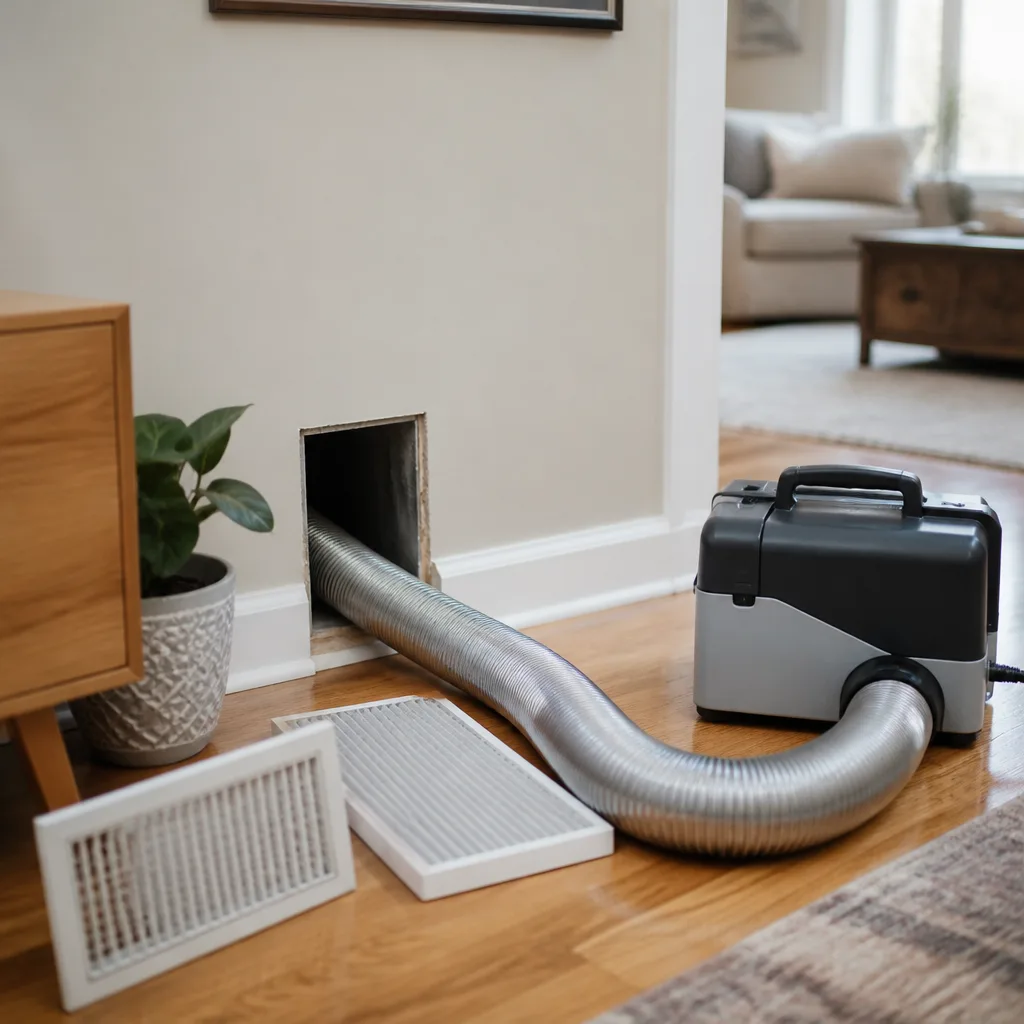 Sanitizing & deodorizing
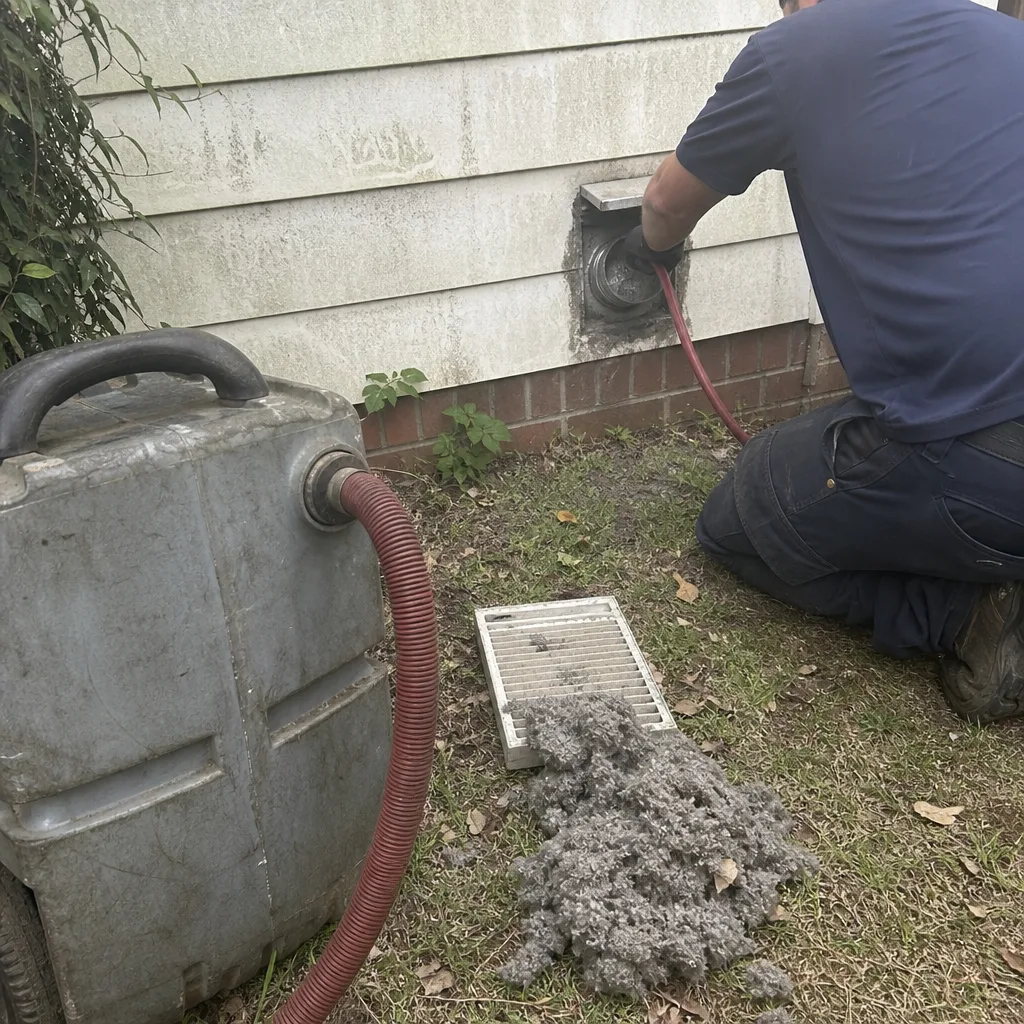
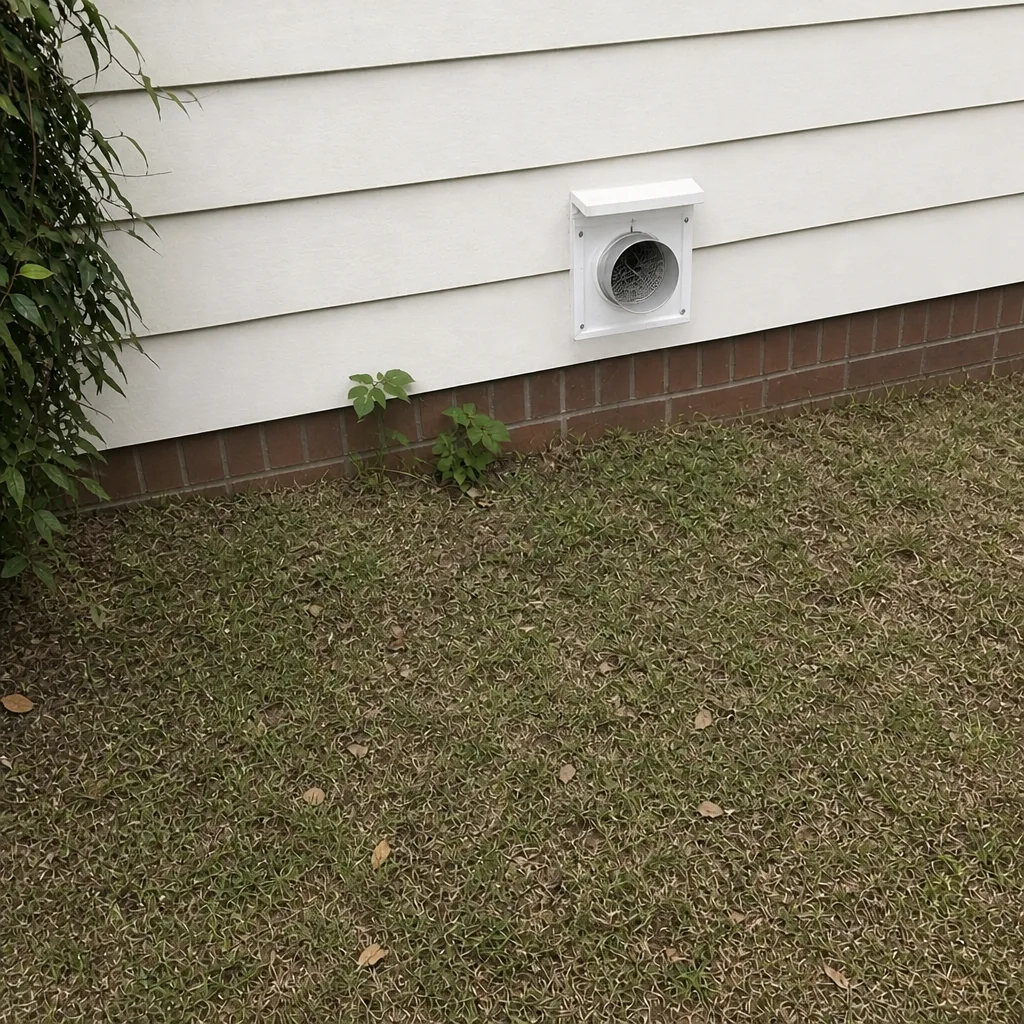
Whole-system duct and dryer vent check with before-and-after photos - you see exactly what came out of your vents
That "$99 whole-house special" is a bait ad - the real number appears once they are in your hallway, or the "clean" is a shop-vac at the register. We photograph the inside of your ducts before and after instead.
Air Duct Cleaning Troubleshooting in North Raleigh: Common Problems and How to Fix Them
If your home still smells musty two weeks after a duct cleaning, the technician likely cleaned the supply runs but skipped the return plenum – the most contaminated section in most North Raleigh homes. That return side carries every bit of air your system pulls back in, and it’s usually the dirtiest path in the whole system. When it gets missed, you paid for a cleaning that never touched the source of the problem. This guide walks through the real reasons duct cleaning fails to stick, how to tell a pressure or leakage issue from a plain dirt issue, and what a qualified technician should actually do to fix it. Most of these problems come down to technique, not bad luck.
Quick Answer
When air duct cleaning doesn’t fix a problem in North Raleigh, the cause is almost always one of three things: sections of the system were skipped, especially the return plenum and air handler; the equipment lacked enough negative pressure to actually pull debris out; or the real issue was never dirt at all but duct leakage, a filtration gap, or a supply/return imbalance. Diagnosing which one applies is what separates a re-clean from a sealing or air handler job. A technician who checks pressure readings and inspects the air handler before quoting is doing it right.
Styles & brands we work with
- Whole-home duct cleaning
- Dryer vent cleaning
- Camera inspection
- Sanitizing & deodorizing
Table of Contents
- Persistent Odors After Cleaning
- What Pressure Readings Tell You
- Why Dust Comes Back Within Weeks
- Judging the Equipment That Was Actually Used
- Re-Cleaning vs. Sealing vs. Air Handler Service
- Why North Raleigh Homes Behave This Way
- Common Mistakes to Avoid
- When to Call a Professional
Persistent Odors After Cleaning: What They’re Telling You
A lingering smell after cleaning means something was left behind. Odors don’t appear from nowhere two weeks later – they were already there, and the cleaning either didn’t reach the source or stirred up material that then settled back into a damp spot. Three possibilities account for most cases, and you can narrow it down before anyone touches your system again.
Skipped sections. The return plenum, the air handler cabinet, and the trunk lines that feed individual branches are where debris concentrates. If the technician only worked the supply registers, the dirtiest air in the house never got touched. This is the single most common reason a New Bern or Raleigh homeowner calls a second company.
Mold in the air handler. The evaporator coil and drain pan sit wet for much of the cooling season. In the humid summer air around North Raleigh, that coil stays damp long enough for biological growth to take hold. No amount of duct brushing removes growth that lives on the coil. The air handler needs cleaning, and often sanitizing, as a separate step.
Insufficient negative pressure during cleaning. If the vacuum unit was undersized or the airflow wasn’t contained, dislodged material simply redistributed inside the system. A proper setup holds the ducts under negative pressure the entire time, so loosened debris travels toward the vacuum rather than into your living room. We deploy Abatement Technologies air filtration during service specifically to contain that material instead of letting it settle back.
If the smell is earthy and clings to the air only when the fan runs, suspect the air handler. If it’s dusty and dry, suspect a skipped section. If it’s faint and inconsistent, the cleaning likely just lacked containment.
What Pressure Readings Tell You About Leakage vs. Blockage
Pressure readings across registers separate two problems that look identical from the couch. A duct system that leaks and a duct system that’s blocked both cause uneven airflow, weak rooms, and dust that never quite clears. The reading tells you which one you have, and the fix is completely different.
A technician measures static pressure at the air handler and compares it to the pressure at individual supply registers. The relationship between those numbers diagnoses the system:
- High static pressure at the air handler, weak flow everywhere. This points to blockage or an undersized return. The system is pushing against resistance.
- Normal pressure at the handler, weak flow at distant registers. This points to leakage along the trunk or branch lines. Air is escaping before it reaches the room.
- Strong flow at registers, dust still present. Pressure is fine; the problem is filtration or a cleaning that didn’t capture debris.
- Uneven pressure from room to room. Supply/return imbalance. Some rooms are over-pressurized and some are starved, often because a branch was never balanced after a remodel.
In North Raleigh, where a lot of homes have been added onto or had rooms finished over the years, unbalanced branches are common. A finished bonus room tied into an existing trunk often starves the rooms it shares a run with. Cleaning won’t fix that. Balancing the system or adding a return will.
Ask for the static pressure numbers. A technician who measured them can show you the reading; one who didn’t will talk around the question.
Why Dust Comes Back Within Weeks
Dust returning quickly is the complaint we hear most after a cleaning, and it almost never means the cleaning failed outright. It means one of three gaps is still open. The ducts are clean; the system feeding them isn’t.
Filtration gap. A low-MERV filter, a filter that’s the wrong size for the slot, or a filter housing that lets air bypass the media around the edges all let particulate straight into the ducts. If your filter sits loosely in its slot, air is going around it. A properly sealed filter cabinet and a filter matched to the system’s design are the first thing to check.
Supply/return imbalance. When return air can’t get back to the air handler fast enough, the system pulls air from wherever it can – including gaps in the ductwork, attic spaces, and crawl spaces. That means unfiltered air enters downstream of the filter and deposits dust throughout the supply side. This shows up as dust concentrated near certain registers.
A brush-only cleaning with no concurrent vacuum. Brushing loosens debris. Without negative pressure running at the same time, that debris has to go somewhere, and it goes back into the system it came from. This is the most avoidable of the three, and it comes down to equipment and technique.
The test: run the system for a day with a clean filter, then check the return grille and the register closest to the air handler. Dust concentrated at the return points to a filtration or imbalance issue. Dust at the supplies points back to the cleaning.
How to Tell What Equipment Was Actually Used
Duct cleaning equipment falls into distinct tiers, and the results differ accordingly. Knowing what to look for lets you judge a quote before you accept it and evaluate a job after the fact. Industry tools are built for this work; general shop vacuums are not.
Here’s how the tiers break down:
- Purpose-built duct cleaning systems (Rotobrush, Nikro). These combine a high-volume vacuum with rotary brushes and whip lines designed to travel inside the duct run. They’re built for the job, and the operator can show you the equipment. We name the brands because the equipment matters – a Rotobrush or Nikro system is documented, serviceable, and made for duct interiors.
- HEPA-filtered negative air machines. These pull the system under negative pressure while filtering exhausted air. On-site filtration like Abatement Technologies units captures dislodged debris so it doesn’t redeposit. Ask whether filtration was running during the job.
- Shop-vac-tier setups. Small capacity, low airflow, no HEPA stage, no real negative pressure. These can pick up loose dust near a register but can’t clean a full run, and they don’t contain what they loosen.
Two questions cut through the sales talk. First: “What vacuum and what brush system will you use, and can I see it?” Second: “How will you keep the system under negative pressure while you clean?” A company using real equipment answers both without hesitation. A crew with a shop vac and a hose won’t.
If your system needs work beyond cleaning, our air duct cleaning North Raleigh service starts with an inspection so the equipment and method match what the ducts actually need.
Re-Cleaning vs. Duct Sealing vs. Air Handler Service
The hardest call in duct troubleshooting is whether to clean again or fix something else. Getting it wrong means paying twice for the same result. The rule of thumb: if the problem is debris, you re-clean; if the problem is air moving where it shouldn’t, you seal; if the problem is the air handler itself, you service the unit.
Work through this decision sequence before booking anything:
- Was the return plenum and air handler cleaned? If not, that’s the re-clean – and the first job should have included it.
- Is there visible mold on the coil, pan, or cabinet? If yes, this is air handler service plus sanitizing, not duct work. No amount of duct cleaning removes growth on the coil.
- Do static pressure readings show leakage? If yes, duct repair and sealing is the fix. Cleaning a leaking duct just means the clean air leaks out faster.
- Do readings show blockage or an undersized return? This is a system design or repair issue, not a cleaning issue.
- Is filtration inadequate or bypassing? Fix the filter cabinet and match the filter to the system.
Often the right answer is a combination. Cleaning removes the debris, sealing stops new debris from infiltrating through gaps, and air handler service addresses the wet component feeding the whole problem. That’s why we offer duct repair and sealing as a first-party service – when a cleaning reveals loose joints, disconnected branches, or torn flex runs, we can fix what we find instead of handing you off to someone else. If you also want your whole-home air quality set up properly, we work with Honeywell and Aprilaire platforms so the equipment and the cleaning line up.
If your system also needs a full cleaning and sanitizing pass, our air duct cleaning service covers the whole path from return to supply.
Why North Raleigh Homes Behave This Way
Local conditions shape how duct systems age. The Piedmont climate around North Raleigh runs humid through the cooling season, which keeps air handler coils wet for months and makes biological growth a real factor rather than a scare tactic. Homes in newer subdivisions across North Raleigh, from the established streets near Falls of Neuse toward Wake Forest, are often tightly constructed with sealed envelopes – excellent for energy, but it means the HVAC system is the primary path for both air and moisture. When the system is out of balance or a duct leaks, there’s no loose house envelope to absorb the difference.
Larger single-family homes with long trunk runs and multiple zones also see more pressure imbalance. Rooms at the end of a long run tend to starve, while the rooms closest to the air handler get more air than they need. Cleaning improves air quality, but balancing the branches and confirming return capacity are what even out the flow. Add finished basements and bonus rooms into the mix – common in North Raleigh layouts – and you get branches added to old trunks without a matching return, which is a classic source of the “clean but still dusty” complaint.
There’s also the pollen calendar. The spring pine pollen and the late-summer weed pollen through the Piedmont load up return filters fast. A filter changed on a calendar schedule rather than on condition can clog for weeks before someone remembers to look at it, which stresses the blower and pushes dust past the media.
None of this makes North Raleigh homes unusual. It just tells you where to look first.
Common Mistakes to Avoid
- Booking on a low per-vent price without asking about the return side. A per-vent quote invites a job that stops at the supply registers. The return plenum carries the dirtiest air in the house. Ask what’s included and require the return and air handler in the scope.
- Accepting a cleaning without inspection first. A technician who quotes before looking inside the ducts can’t know what method or equipment the system needs. Insist on a walk-through and a look at the air handler before the price is set.
- Skipping the air handler and coil. In North Raleigh’s humid summers, a damp coil is often the actual source of musty odors. Cleaning ducts around a moldy coil leaves the problem in place.
- Treating cleaning as a fix for a leaking duct. Gaps and disconnected runs keep pulling unfiltered air in after the clean. Sealing has to be part of the plan when readings show leakage.
- Using the wrong filter or one that bypasses the housing. A filter that doesn’t seal in its slot lets air around the media. Oversized or undersized filters both create dust problems the ducts themselves don’t cause.
- Cleaning with a brush and no concurrent vacuum. Without negative pressure holding the system, brushing redistributes debris. Ask about the vacuum unit and the on-site filtration before work begins.
- Assuming a second cleaning is the answer to a pressure problem. If static pressure shows imbalance or blockage, re-cleaning adds cost without changing the airflow. Diagnose first, then decide.
When to Call a Professional
Call a professional when odors persist past two weeks after a cleaning, when dust returns to registers within days, when a room is consistently warmer or cooler than the rest of the house, or when you can see growth on the coil or around the air handler cabinet. Call when you’re buying a home and don’t know the duct history, or when a previous cleaning left you unsure whether the return side was touched. These are all situations where a proper inspection with pressure readings and a look at the equipment answers what guesswork can’t.
Air Duct Cleaning North Raleigh offers free estimates in North Raleigh – call (877) 820-8110. We answer 24/7, with fast dispatch from 7am to 7pm, Sunday through Friday. Our technicians have up to 10 years of experience diagnosing exactly these problems, and our estimates are free. If you’re also looking at dryer vent cleaning or HVAC cleaning as part of the same visit, one call covers the whole system.
See the difference
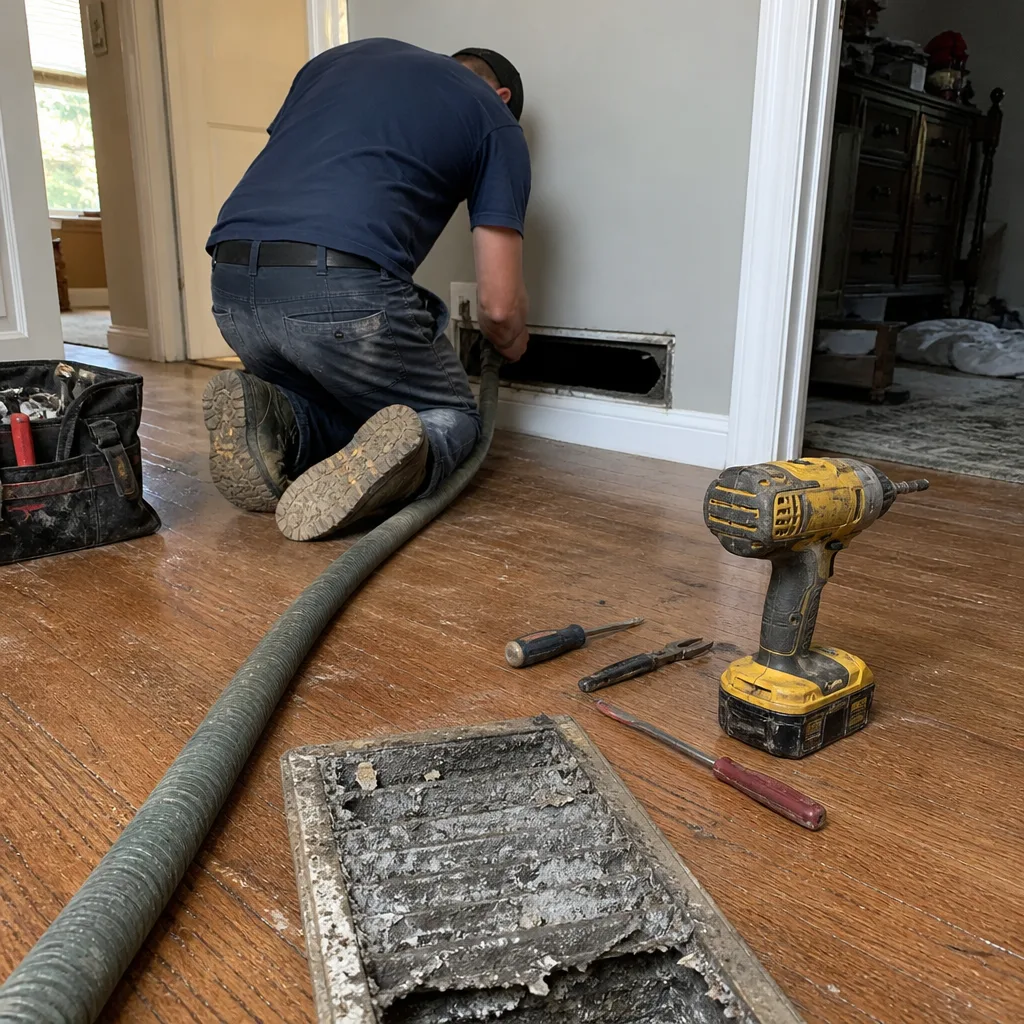 Before
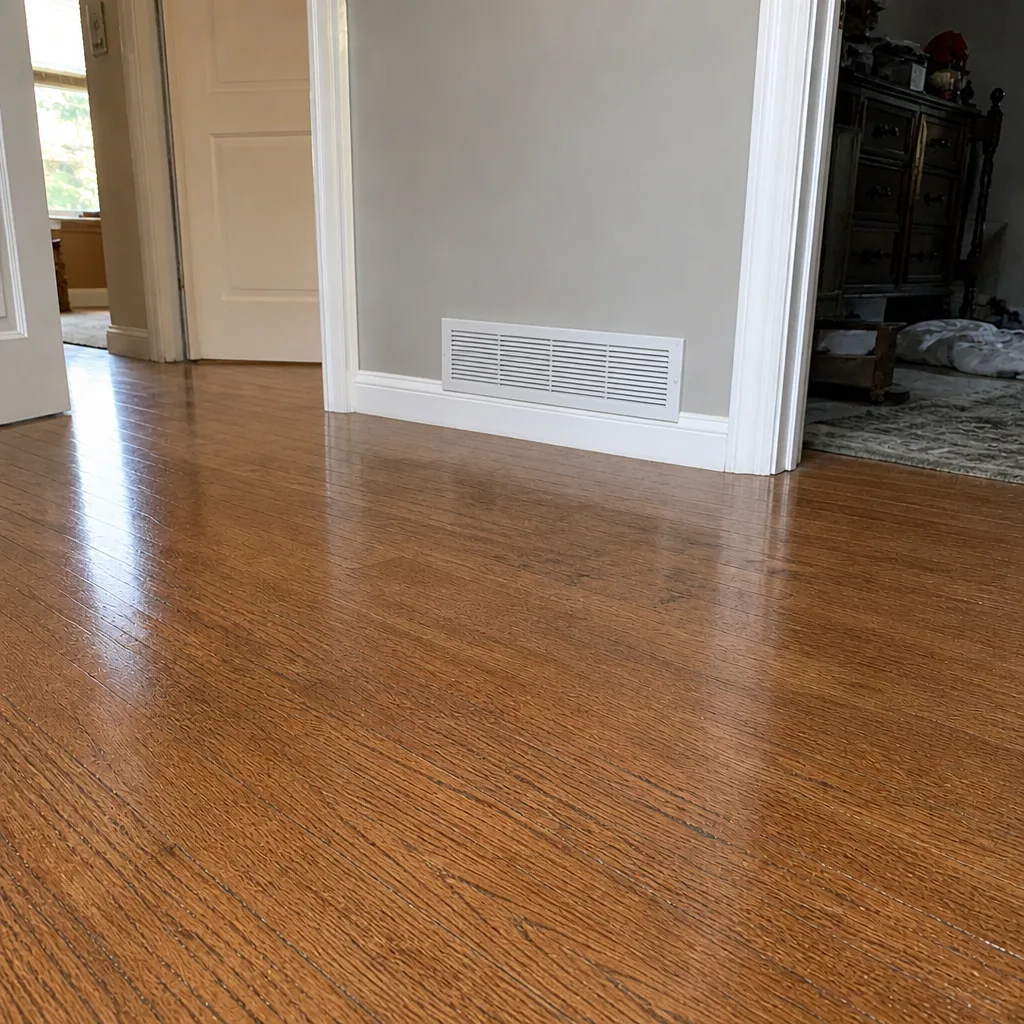 After
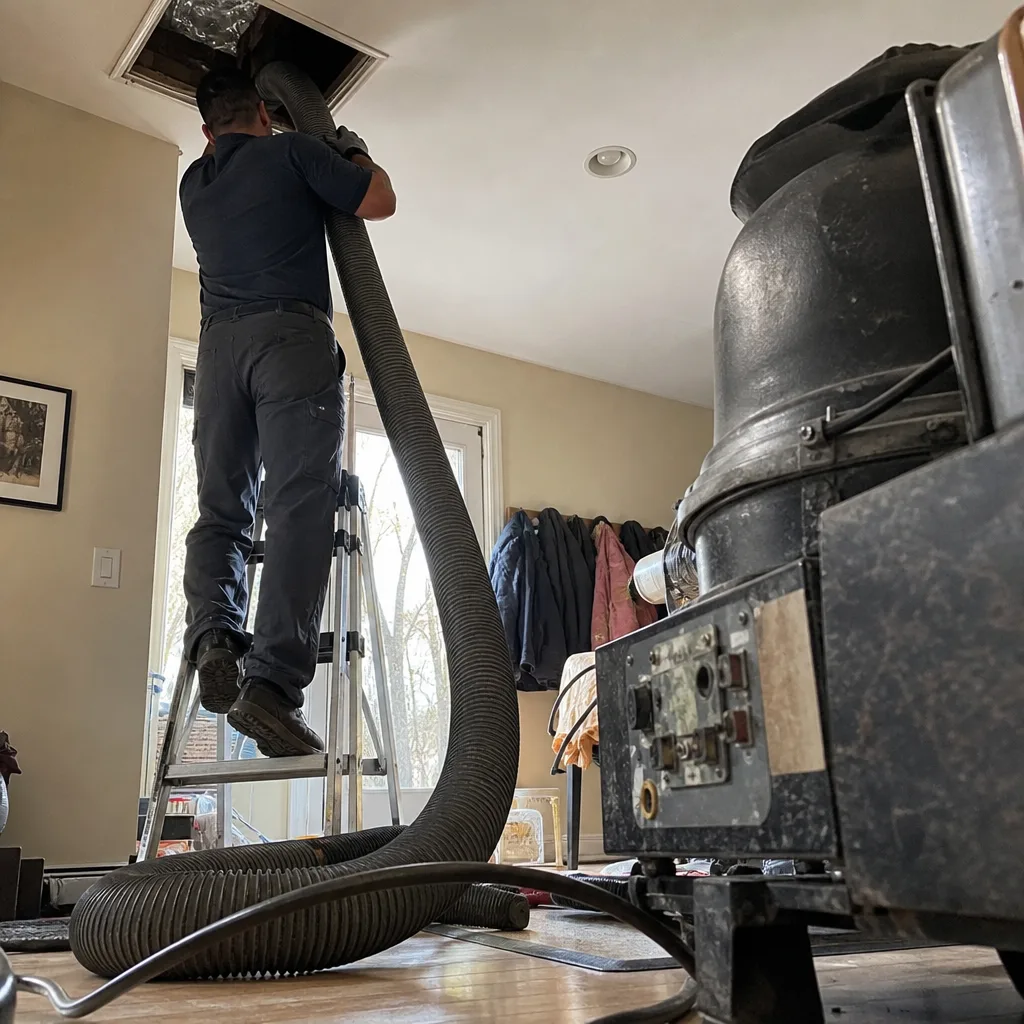 Before
 After
 Before
 After
Frequently Asked Questions
The likely cause is that the return plenum, air handler, or evaporator coil wasn’t cleaned. Those are the wettest, dirtiest sections in most North Raleigh systems, and in the humid cooling season the coil stays damp enough for growth to take hold. Duct brushing alone doesn’t remove growth on the coil. If the smell persists past two weeks, ask for an inspection of the air handler and the return side, not just the supply registers. Call (877) 820-8110 for an exact quote – estimates are free.
Most whole-home cleanings in North Raleigh run in the range of a few hundred dollars for a standard single-system house, with larger multi-zone homes and heavy contamination pricing higher. We price per system, not per vent, and agree on one flat price before work starts. That avoids the bait-and-switch pattern where a low per-vent quote grows once the technician is on site. Call (877) 820-8110 for an exact quote – estimates are free.
Ask for before-and-after photos of your own ducts, taken inside the runs, and ask for the static pressure readings before and after. A company using proper equipment – a Rotobrush or Nikro system with a HEPA-filtered vacuum running – can document what was removed and where. Photos and readings are hard to fake and easy to check. Call (877) 820-8110 for an exact quote – estimates are free.
Cheap quotes usually leave something out: the return plenum, the air handler, proper negative pressure, or on-site filtration. A shop-vac-tier setup costs a fraction of purpose-built equipment, and it shows in the results. The low price is real; the cleaning is partial. Ask what equipment will be used and whether the return side and air handler are in scope before comparing numbers. Call (877) 820-8110 for an exact quote – estimates are free.
Re-clean if the problem is leftover debris from a skipped section. Seal if static pressure readings show leakage, meaning unfiltered air keeps entering the system after the clean. Service the air handler if the coil or pan shows growth. In many North Raleigh homes the right answer is cleaning plus sealing, because gaps in the ductwork pull in outdoor air and pollen from the Piedmont. Diagnose before booking either. Call (877) 820-8110 for an exact quote – estimates are free.
There’s no universal schedule. Homes with pets, recent renovations, or visible dust at the registers need it more often than a clean, well-filtered house. Watch your filters and registers: if the filter clogs fast or dust returns within weeks of a change, that’s the signal, not a calendar. Have the return side and air handler inspected when you book. Call (877) 820-8110 for an exact quote – estimates are free.
The Bottom Line
Most duct cleaning failures in North Raleigh trace back to technique and diagnosis, not to the cleaning itself. The return plenum and air handler get skipped, equipment lacks the negative pressure to hold debris, or the real problem was never dirt but leakage, imbalance, or a wet coil. Knowing which one you’re dealing with saves a second service call. Ask what equipment was used, ask for pressure readings, and ask whether sealing or air handler service is the actual fix. Call (877) 820-8110 for a free estimate. We answer 24/7, with fast dispatch from 7am to 7pm, Sunday through Friday.
Written by the team at Air Duct Cleaning North Raleigh.