
Last updated November 24, 2026
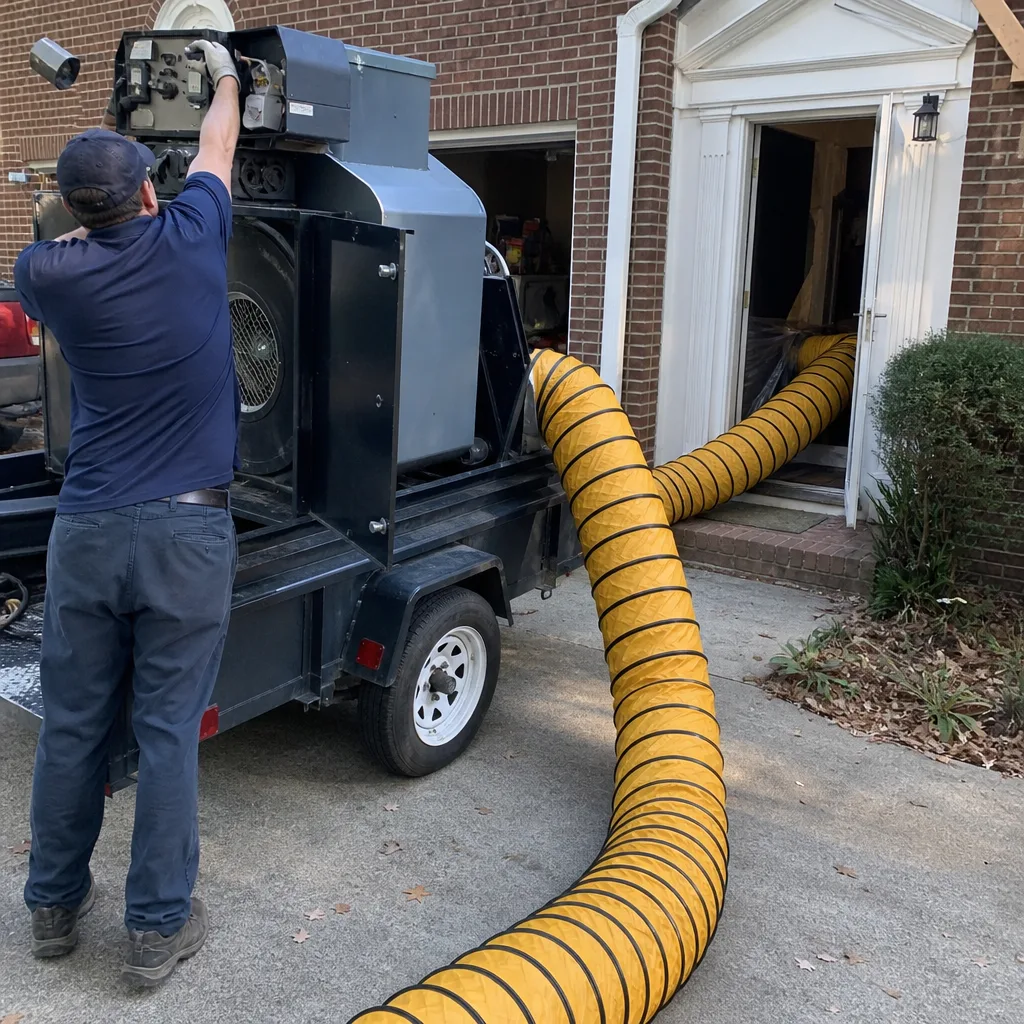
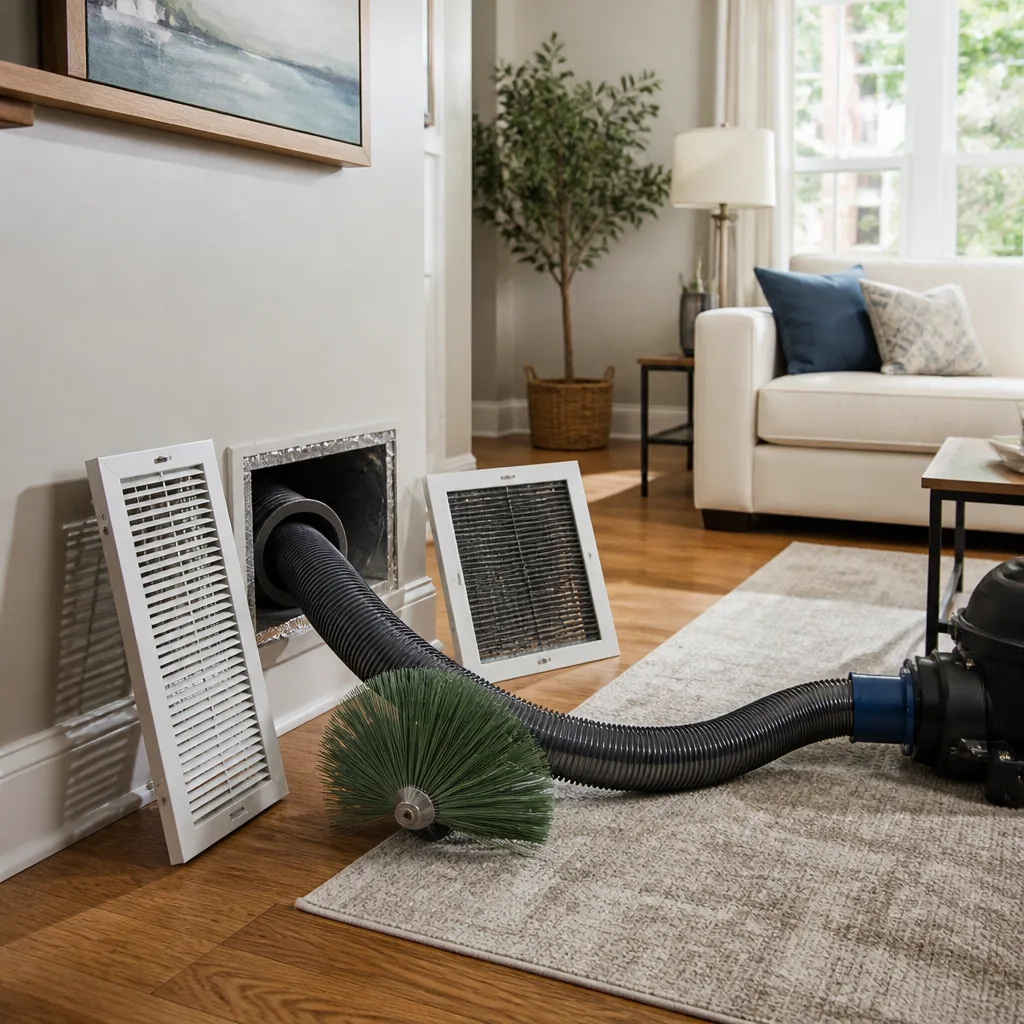 Whole-home duct cleaning
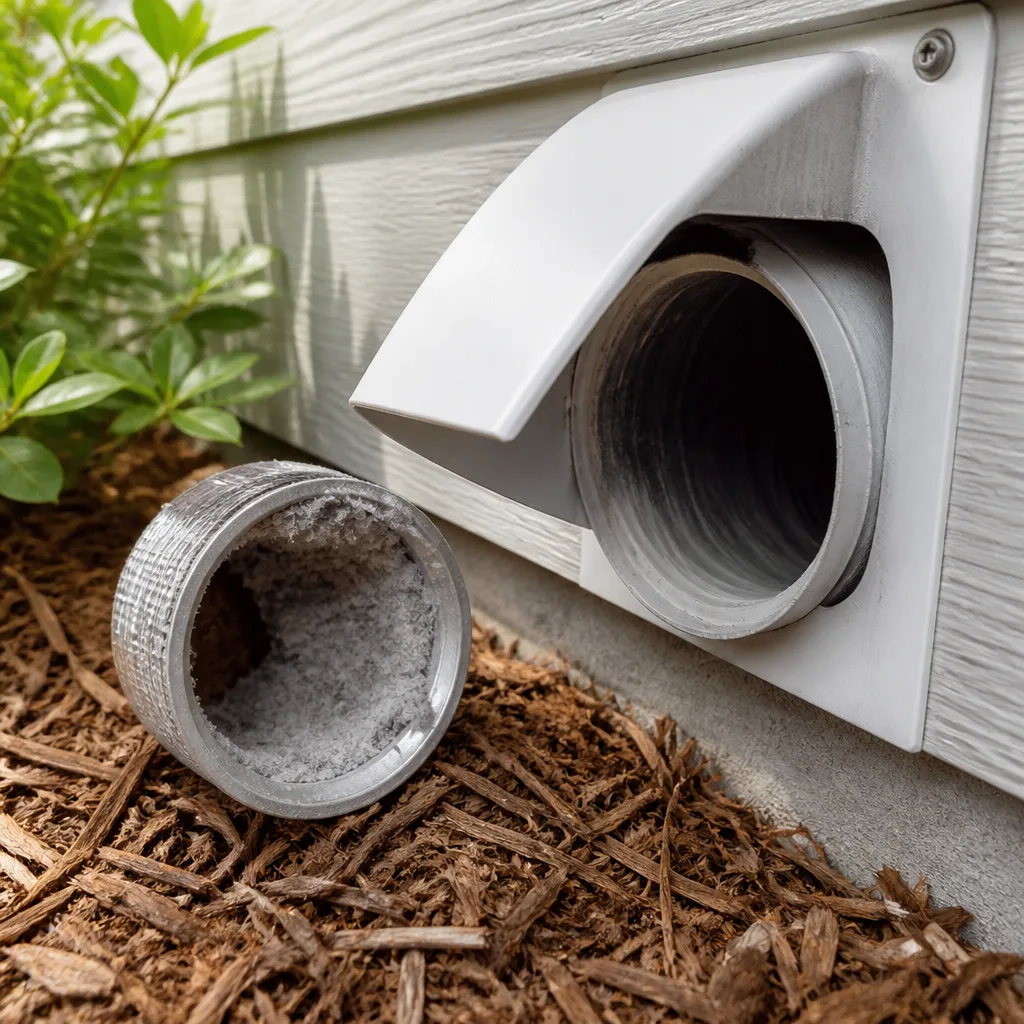 Dryer vent cleaning
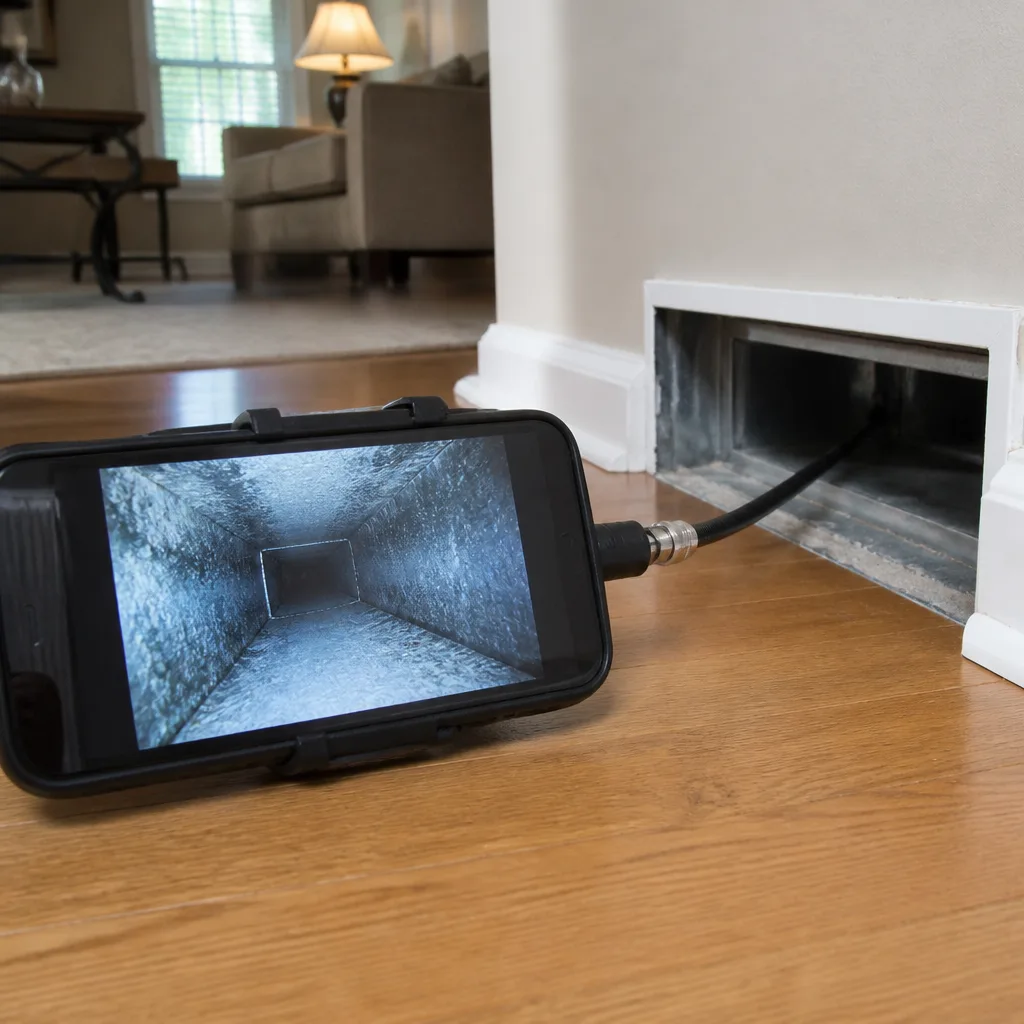 Camera inspection
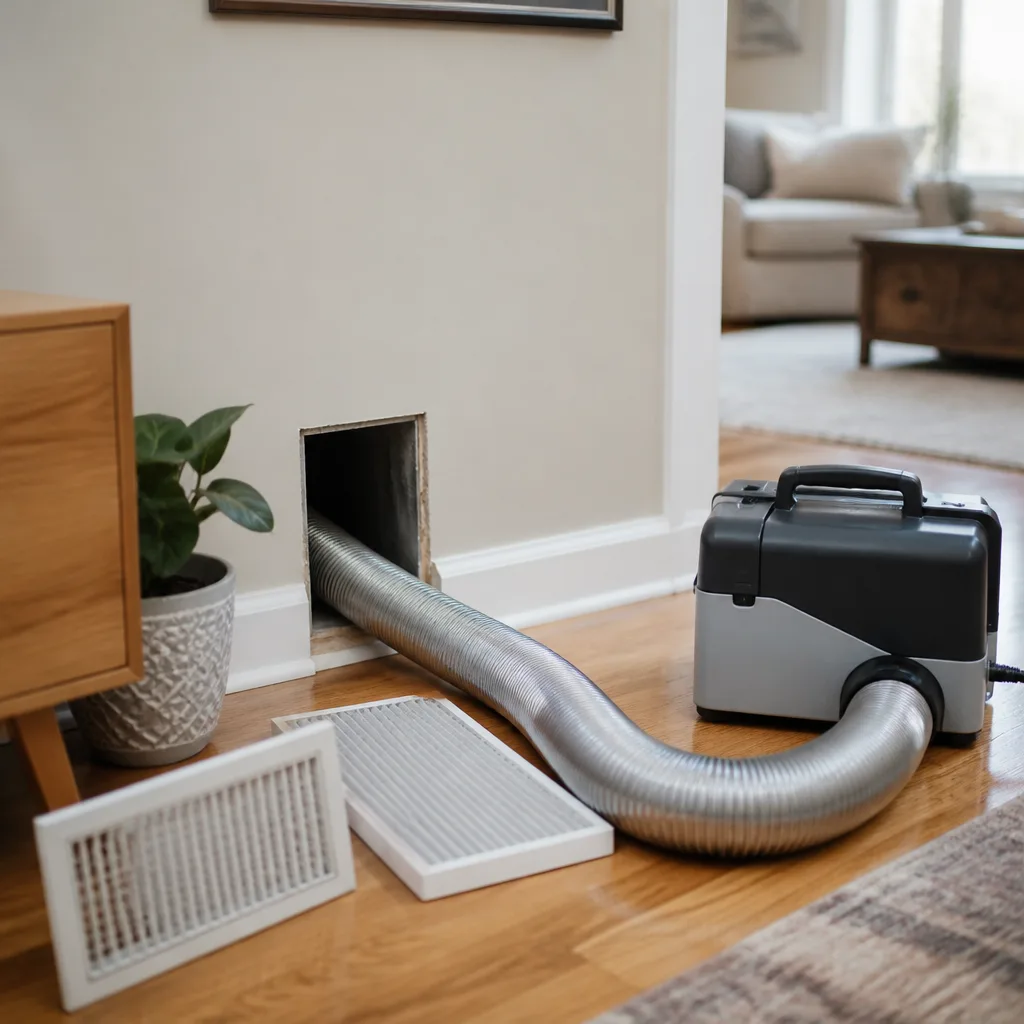 Sanitizing & deodorizing
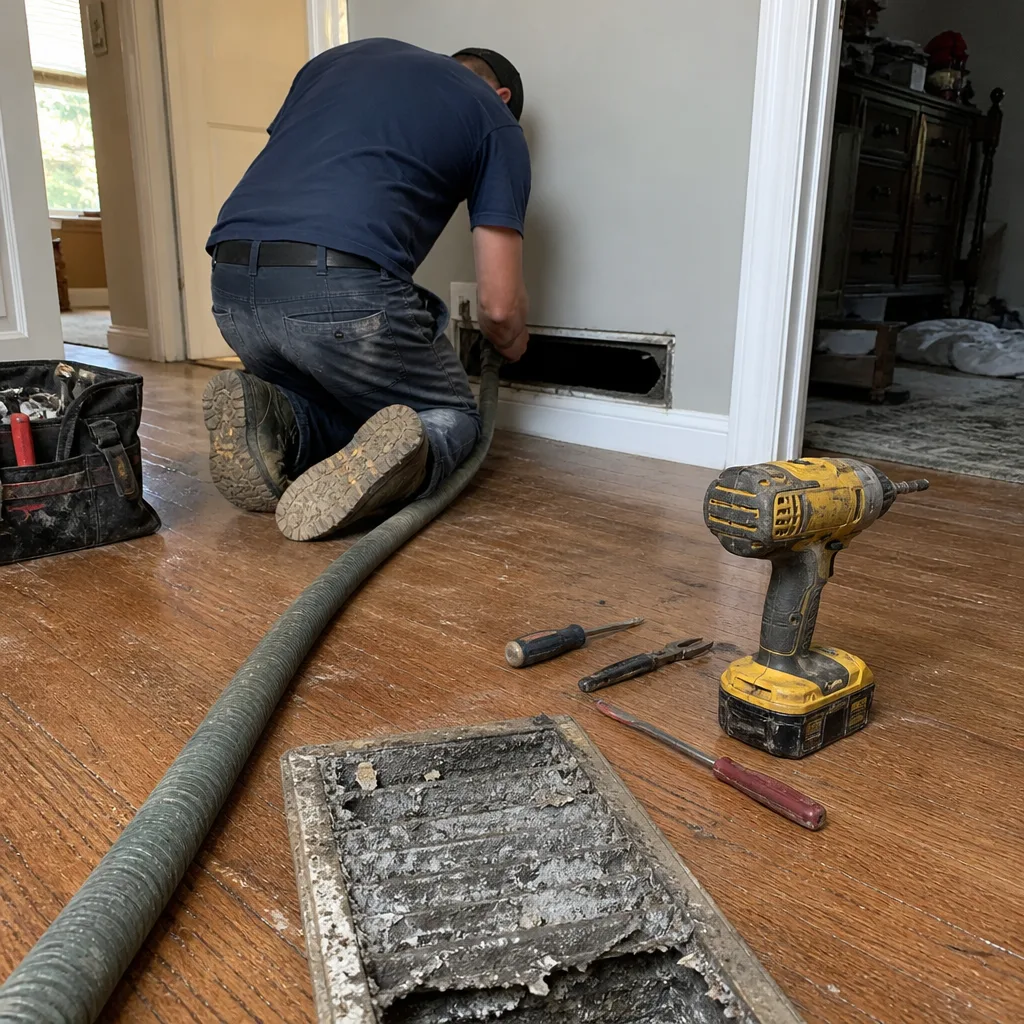
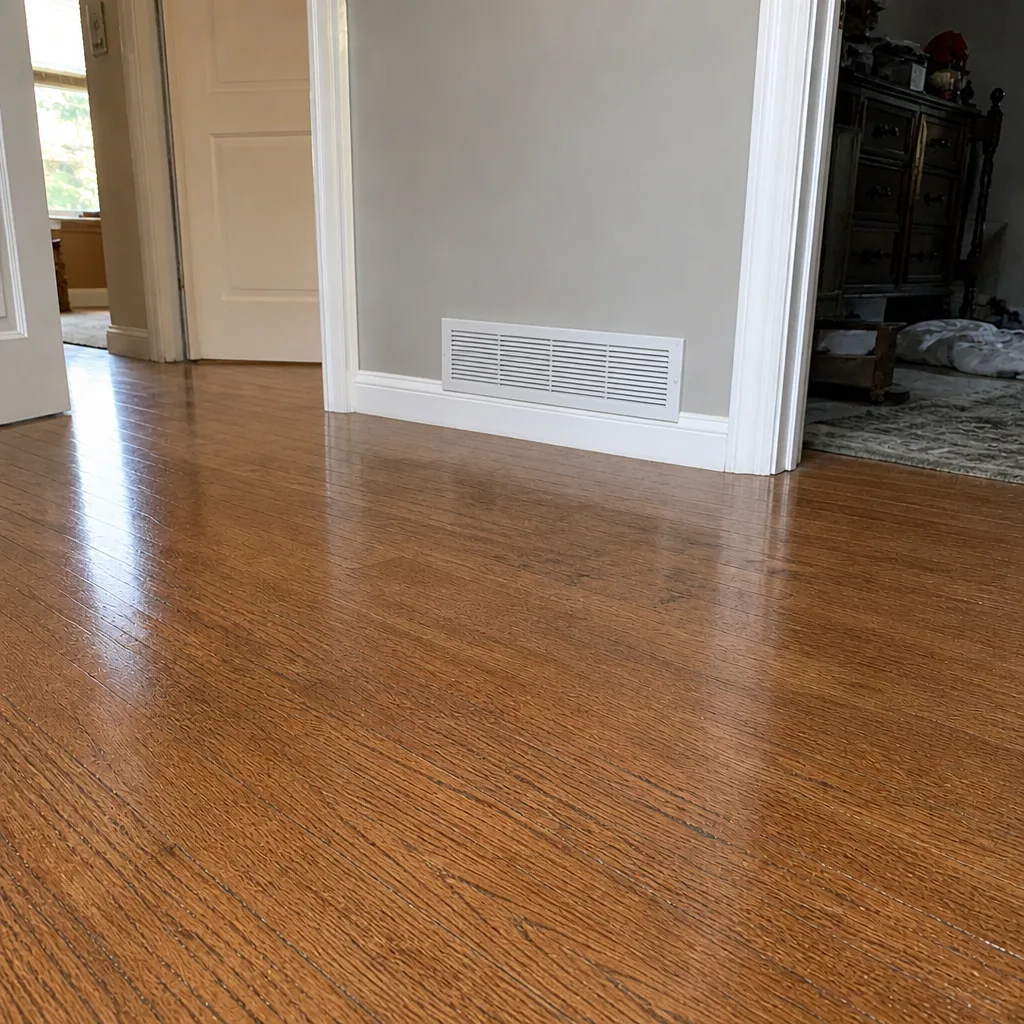
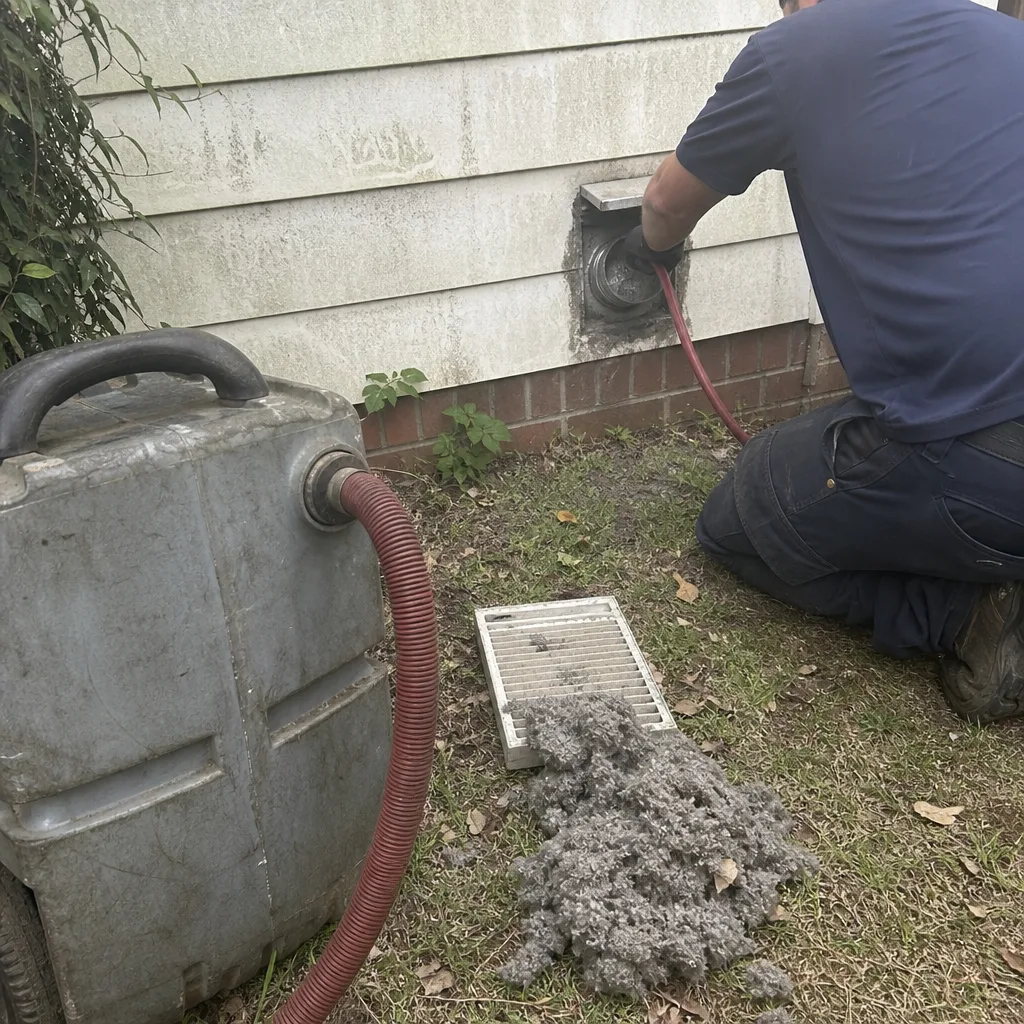
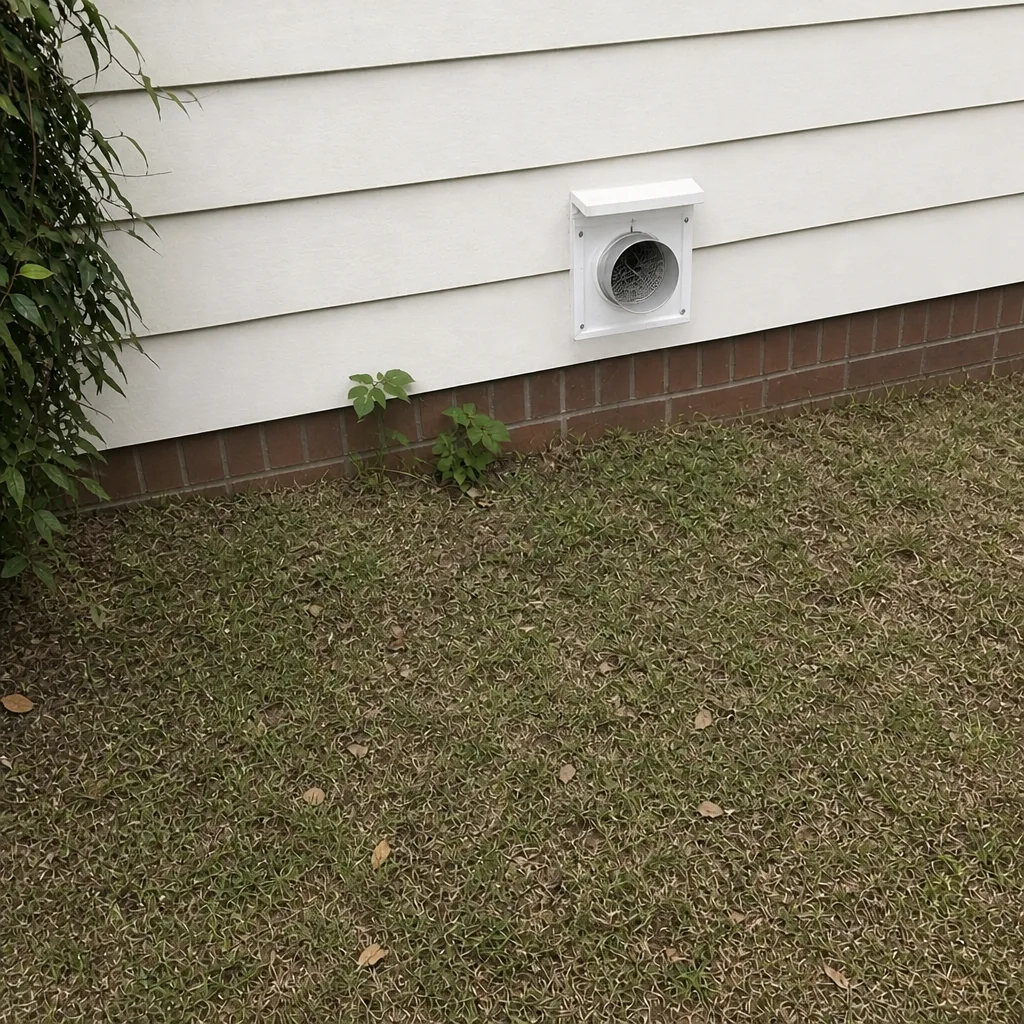
Whole-system duct and dryer vent check with before-and-after photos - you see exactly what came out of your vents
That "$99 whole-house special" is a bait ad - the real number appears once they are in your hallway, or the "clean" is a shop-vac at the register. We photograph the inside of your ducts before and after instead.
Air Duct Cleaning Permits, Codes & Inspections in North Raleigh, NC: What You Need to Know
Here’s the part most homeowners never hear: the cleaning itself almost never needs a permit, but the add-ons that ride along with it often do. A contractor sprays encapsulant inside your ductwork, drops UV germicidal lights into an air handler, or seals joints with mastic, and pulls no permit for any of it. That work is now unrecorded in Wake County’s system. You’ll be the one explaining it to a buyer’s inspector at resale, or to an adjuster after a claim. We’re an air duct cleaning North Raleigh company, and we’ve watched this confusion cost homeowners real money at closing. This guide draws a clear line between plain maintenance and code-regulated work in North Carolina, and shows you how to get documentation that proves which one you received.
Quick Answer
In North Raleigh, NC, routine air duct cleaning does not require a building permit because it’s classified as maintenance. Work that changes the mechanical system – sealing ducts in some cases, adding UV lights or ionizers that connect to household wiring, or modifying duct runs – can fall under the NC State Building Code and Wake County permitting. A post-cleaning inspection by your contractor is not the same thing as a municipal building inspection, and asking for a written scope that separates the two is how you stay protected.
Styles & brands we work with
- Whole-home duct cleaning
- Dryer vent cleaning
- Camera inspection
- Sanitizing & deodorizing
Table of Contents
- What separates maintenance from regulated work
- When Wake County requires a mechanical permit
- Why duct sealing and mastic can trigger a permit
- How UV lights and ionizers are classified under NC electrical code
- Post-cleaning inspection vs. municipal building inspection
- How to request documentation that protects you
- What unpermitted work does to resale and insurance
What separates maintenance from regulated work in North Carolina
The North Carolina State Building Code treats most duct cleaning as maintenance, and maintenance is exempt from permitting. You’re removing debris from a system that already exists and keeping it operating as designed. No new equipment, no altered geometry, no permit. That’s the baseline, and it’s why a straight air duct cleaning job typically doesn’t involve a trip to the county.
The line gets crossed when the work changes the system rather than restoring it. Wake County’s permitting thresholds for mechanical work generally center on three things: new installations, alterations to the system, and replacements of components that affect performance or safety. A contractor who introduces something into your ductwork or air handler that wasn’t there before is doing work the code may want recorded.
Here’s how to tell which side of the line a given task sits on:
- Maintenance: mechanical brushing and vacuuming of duct runs, register and grille cleaning, cleaning the blower compartment, clearing debris from the air handler, cleaning a dryer vent. These restore the system to its designed condition.
- Possible alteration: applying mastic or sealant to joints and seams on a large scale, replacing a section of flex duct with hard pipe, adding or removing branches, changing the size or routing of a run, installing a new inline damper.
- Installation: adding UV germicidal lights, ionizers, or powered filtration equipment inside or alongside the air handler. These involve electrical connections and new equipment.
In our experience across North Raleigh neighborhoods like Wakefield, Bedford, and Falls River, the confusion almost always lands on the middle category. A homeowner hears “duct sealing” as part of a cleaning package and assumes it’s the same tier of work. Often it isn’t. The honest answer is that the classification depends on scope and local interpretation, so the questions in this guide matter more than any single rule of thumb.
When Wake County requires a mechanical permit for duct work
Wake County reviews mechanical permits through its inspections department, and the trigger is a change to the system, not the act of touching it. If you’re only having ducts cleaned, you don’t need a permit. If the job includes a system alteration, you might. The way to know for certain is to ask your contractor whether the scope requires one, and to ask Wake County’s permitting office directly if the answer is fuzzy.
Work that commonly needs a mechanical permit in Wake County residential settings includes:
- Replacing or relocating the air handler or furnace.
- Adding, removing, or rerouting duct runs in a way that changes the layout of the system.
- Replacing a substantial portion of ductwork, especially a change from flex duct to rigid duct or a change in duct sizing.
- Installing new mechanical ventilation or powered air-handling equipment.
- Adding an inline booster fan or a powered damper that ties into the electrical system.
Small, targeted repairs – resealing a joint, patching a small section of duct, replacing a register boot – generally fall on the maintenance side and don’t require a permit. The gray area is where a cleaning visit becomes a repair visit and the contractor offers to “seal the whole system” while they’re already there. A whole-system sealing job that includes substantial mastic application or partial duct replacement may fall under the alteration category.
For a homeowner in North Raleigh with a 1990s build where the original flex duct has sagged and started leaking at the collars, that distinction matters. A typical cleaning reveals the problem. What happens next – seal or replace, permitted or not – should be a documented decision, not a verbal add-on.
Why duct sealing and mastic can trigger a permit
Duct sealing is where the permit question gets the most confusing, and for good reason. Sealing a few joints with mastic during a cleaning is a routine repair. Sealing an entire duct system, or sealing ducts in a way that changes how the system balances, is a mechanical alteration. The difference isn’t written on a single line in the code book – it comes down to scope.
When a contractor is going to apply mastic or sealant broadly, ask three questions: How many joints are being sealed? Is any duct being cut, replaced, or rerouted to access the sealing points? And does the company consider the work a repair or an alteration under the NC State Building Code?
If you get a verbal “it’s just a cleaning add-on” without any documentation, that’s the moment to slow down. In North Raleigh, particularly in older neighborhoods where the original duct systems have been patched and re-patched over the years, sealing work often turns into duct replacement partway through. What started as a small add-on becomes a legitimate mechanical permit job. If the contractor bills the work without pulling a permit, you’re the one who owns the omission.
We offer Duct Repair & Sealing as a first-party service, and we approach it as its own scope – not as an upsell tacked onto cleaning. We tell homeowners upfront that sealing work gets documented separately from cleaning work, because those two scopes have different code treatment. If the scope crosses into alteration territory, we say so before any sealing starts. That’s a conversation worth having in the estimate instead of after the invoice.
For a deeper look at the repair side of this, see our guide on dryer vent cleaning – the same principle applies there: the cleaning is maintenance, but a full vent replacement can involve cutting through walls or the roof and may need to be handled as a separate scope.
How UV lights and ionizers are classified under NC electrical code
If a contractor installs a UV germicidal light inside your air handler or an ionizer next to the blower, the electrical connection is usually not a “minor repair.” Under North Carolina’s electrical code, equipment that ties into household wiring typically falls under rules that can require a permit and an inspection. That’s a common gap. Homeowners buy the air quality upgrade from a duct cleaner and don’t realize the electrical portion of the install may have needed a permit and inspection stamped on the record.
What to ask before anyone installs UV equipment or an ionizer:
- Is the unit plugged into an existing receptacle, or is it hardwired into the system?
- Does the installer hold the electrical license or trade qualification required for that connection?
- Will an electrical inspection be documented, or is the installation being handled informally?
- Is the equipment listed by a recognized testing body (you’ll usually see a mark on the unit itself)?
If the answers to the first three are unclear, that’s a signal to pause. A plugged-in unit that uses an existing outlet is a simpler case; a hardwired installation with a new circuit is a clear candidate for permitting. In North Raleigh, we’ve seen UV lights wired in by the same crew handling the cleaning, with no electrical inspection on record. The equipment itself might be fine. The paper trail isn’t. When you sell the house and an inspector writes up “unpermitted electrical addition at air handler,” you have to disclose it or remediate it.
We work with Honeywell and Aprilaire controls and can install and integrate UV or filtration equipment as part of a broader indoor air quality plan. When the installation requires electrical work that goes beyond plugging into an existing outlet, we tell homeowners the same thing: this needs to be handled in a way that keeps the record clean, and that sometimes means a separate licensed electrical scope.
Post-cleaning inspection vs. municipal building inspection
Two different things share the word “inspection” in this trade, and confusing them is one of the most common reasons homeowners think they’re covered when they aren’t. A post-cleaning verification is your contractor showing you what came out of the ducts – photos, before-and-after images, a written scope. A municipal building inspection is a county inspector visiting the property to confirm permitted work was done to code. Only the second one creates a record with Wake County.
Here’s the practical breakdown:
- Post-cleaning verification: Performed by the cleaning contractor. Shows the cleaned condition of the duct interior. Doesn’t create a county record. Useful for your own confidence and for documenting condition.
- Municipal building inspection: Performed by a Wake County inspector on permitted work. Results in a signed inspection record tied to the permit. This is what shows up in county databases and what a buyer’s inspector can search.
Homeowners often assume that a “post-clean inspection” from their contractor satisfies anything the county might want. It doesn’t, and it was never designed to. When we do a cleaning in North Raleigh, we produce before-and-after photos of the customer’s own ducts, not stock images. That’s a verification of cleaning quality, not a permit record. Both have value – they just answer different questions.
If your job included any work that required a permit, ask for the permit number and the inspection result. If your job was cleaning-only, ask for the before-and-after photos and a written scope. Either way, you leave with documentation that matches the actual work performed.
How to request documentation that protects you
The single best protection against unpermitted work is a written scope of work that separates cleaning from anything regulated. Ask any contractor to put the scope in writing before work starts. If the company pushes back or says it’s not necessary, that’s information.
Ask these questions in writing:
- What exactly is being cleaned? Which duct runs, which components, which rooms. A real scope names the work.
- What is being altered or installed, and is a permit required for it? If the answer is yes, get the permit number before work begins.
- If a permit is required, will an inspection be scheduled and documented? A permit without an inspection is an incomplete record.
- What will you hand me when the job is done? Before-and-after photos of my own ductwork, a written summary of what was found and what was done, and any inspection paperwork.
- If a repair is needed, is duct repair handled by you or by a second contractor? If duct repair and sealing are done by the same company, the record is simpler.
In North Raleigh, we recommend homeowners keep those documents with their home records alongside the HVAC service history. When it’s time to sell, an inspector will ask about system changes. A clean paper trail makes that conversation easy; a missing one makes it a negotiation.
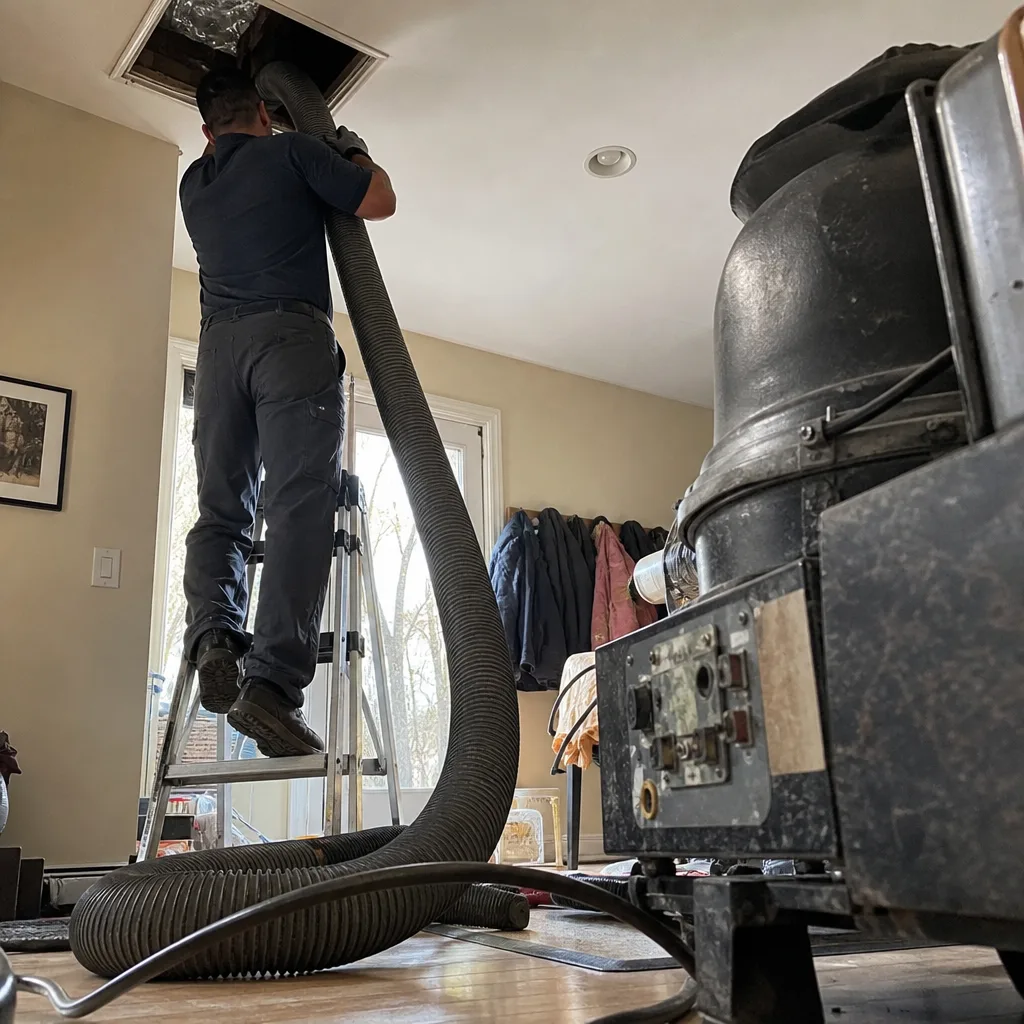
For the cleaning side of the work, our technicians use Rotobrush and Nikro brush-and-vacuum systems, which are purpose-built for duct interiors. We also run Abatement Technologies air filtration during the job to capture debris rather than redistribute it. We name the equipment because it tells you what tier of work you’re paying for, and it matches what a professional-grade scope should look like.
What unpermitted work does to resale and insurance
An unpermitted mechanical alteration doesn’t cause a problem the day it’s done – it causes a problem years later. When you list the home and a buyer’s inspector finds an electrical addition at the air handler that has no permit record, the standard outcome is a request for documentation. If you can’t produce it, you either make a retroactive permit request and hope Wake County allows it, or you remove or revert the work.
The insurance side is similar. After a claim involving HVAC or electrical equipment, an adjuster can ask whether the installation was permitted and inspected. An unpermitted installation doesn’t automatically void a policy, but it does complicate the claim, and some carriers will reduce or deny coverage for the specific component involved.
This is where being specific about scope pays off. If your job was cleaning-only, the record is simple: photos, a written scope, no permit required. If your job included a UV light, an ionizer, a sealing package that crossed into alteration territory, or a duct replacement, the record needs to match. Ask for the permit and inspection documentation upfront. If a homeowner in a North Raleigh neighborhood like Stonehenge or Greystone hears “we don’t need a permit for that,” it’s fair to ask why not, and to want the answer in writing.
If you’re not sure whether a past install was documented, a professional can look at the equipment and tell you what would’ve been required. That evaluation usually costs less than retroactive permitting after a sale falls through. For scheduled cleaning at the same time, see our HVAC cleaning page – a thorough system cleaning often surfaces exactly these questions before they become a problem.
Common Mistakes to Avoid
- Assuming “add-on” means “not regulated.” A UV light or whole-system sealing quoted as a cleaning add-on can still be code-regulated work. Ask what the classification is, not what the price is.
- Confusing your contractor’s post-clean inspection with a county inspection. Only a Wake County inspector creates a record for permitted work. Photos from your contractor are useful, but they aren’t a permit.
- Letting a contractor wire a UV light or ionizer without asking about the electrical scope. In North Raleigh, hardwired additions at the air handler are a common candidate for unpermitted work. Ask whether an electrical inspection will document the install.
- Accepting a verbal “we don’t need a permit” without asking for the scope in writing. If the work is genuinely maintenance, a written scope is easy to produce. If it’s an alteration, the answer should name a permit.
- Skipping before-and-after photos of your own ducts. Generic photos don’t verify your job. Insist on images of your specific ducts, with your address visible in the metadata or the contractor’s notes.
- Treating duct sealing as a cosmetic add-on. Sealing can pivot into duct replacement midway through, which crosses into permit territory. Confirm the scope in writing before sealing starts.
- Ignoring flexible duct in older North Raleigh homes. Sagging, unsealed flex duct from the 1980s and 1990s often needs repair, not just cleaning. If the cleaning reveals visible damage, get that repair documented separately.
See the difference
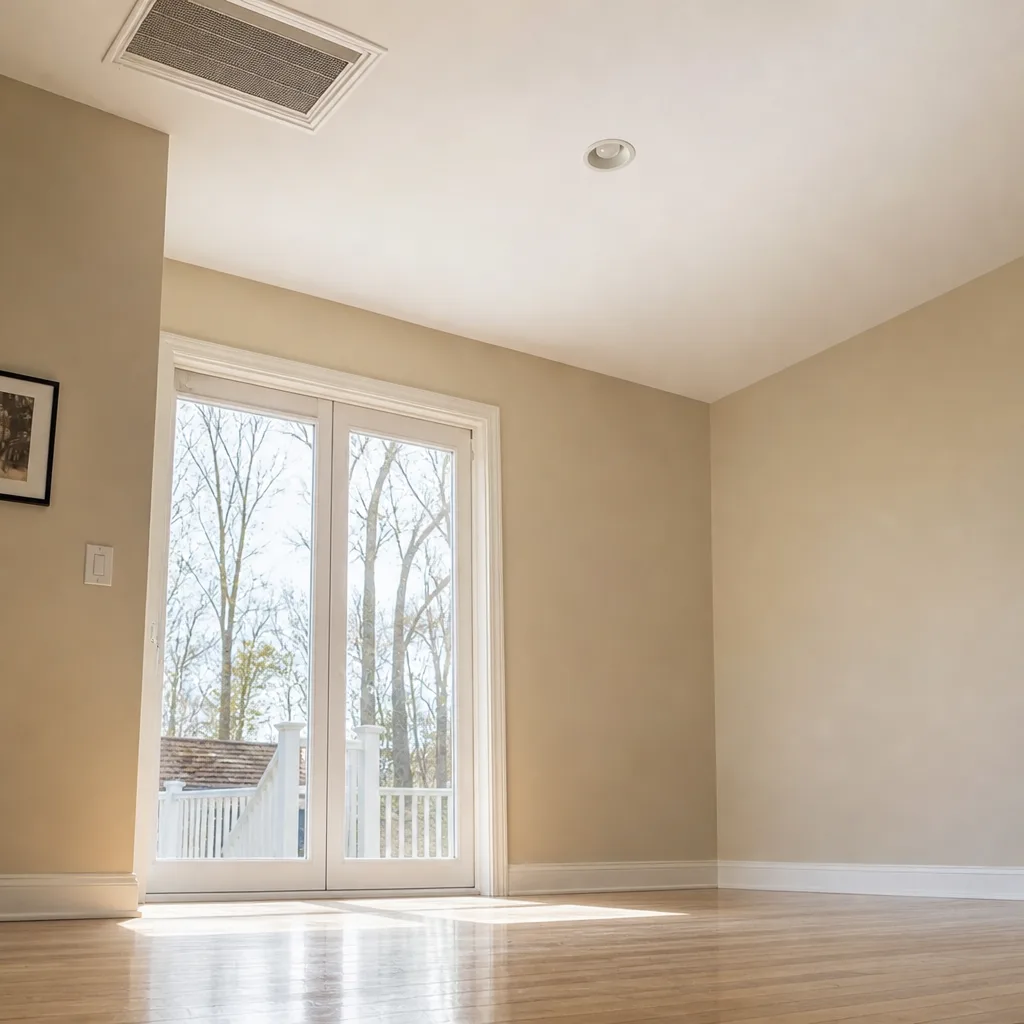
 Before
 After
 Before
 After
 Before
 After
When to Call a Professional
Call a professional when a cleaning quote includes any alteration, installation, or repair that you’d need to document for resale: UV lights, ionizers, whole-system sealing, duct rerouting, or partial duct replacement. Call when you’ve bought a home in North Raleigh and don’t know what’s been done to the HVAC system, since a professional inspection of the ductwork and air handler can tell you what’s original and what’s been added. Call when a contractor has already done work inside your ductwork without documentation – knowing what to remediate now is cheaper than explaining it later. Air Duct Cleaning North Raleigh offers free estimates in North Raleigh – call (877) 820-8110. Our technicians have up to 10 years of experience, and we’ll tell you plainly which parts of your job are maintenance and which parts may need a permit.
Frequently Asked Questions
No. Routine air duct cleaning in North Raleigh is classified as maintenance under the NC State Building Code and doesn’t require a building permit. The permit question only comes up when the job includes alterations or new equipment installation. Call (877) 820-8110 for a free estimate that separates cleaning from any code-regulated work.
It depends on scope. Sealing a few joints with mastic during a cleaning is usually treated as routine repair. Sealing an entire system, or sealing in a way that changes the layout or balance of the ducts, can be classified as a mechanical alteration that may require a Wake County permit. Ask your contractor to put the sealing scope in writing before work starts, and to name the classification. Call (877) 820-8110 for an honest assessment.
Often yes, if they’re hardwired into household electrical. A UV germicidal light or ionizer that plugs into an existing outlet is a simpler case, but one that requires a new circuit or hardwired connection typically falls under North Carolina’s electrical code and may need a permit and inspection. Ask the installer which one your job involves. Call (877) 820-8110 if you’re not sure what’s already installed in your system.
A post-cleaning inspection is your contractor documenting the cleaned condition of your ducts, usually with before-and-after photos. A building inspection is a Wake County inspector confirming that permitted work was done to code. Only the second creates a county record. Both have value, but they aren’t interchangeable. Call (877) 820-8110 for an estimate that includes before-and-after photos of your own ducts.
It can. If a buyer’s inspector finds an electrical addition or duct alteration at the air handler with no permit record, the standard outcome is a request for documentation, and you may have to retrofit a permit or remove the work. The simplest protection is asking for permit and inspection paperwork at the time the work is done, not years later. Call (877) 820-8110 to scope out what a cleaning and inspection would reveal in your system.
Ask for before-and-after photos of your own ducts, not stock images, and a written scope that names exactly what was cleaned. A company using purpose-built equipment like Rotobrush and Nikro with Abatement Technologies air filtration during service can show you what the equipment pulled out of the system. Call (877) 820-8110 – estimates are free and include a written scope.
The Bottom Line
Air duct cleaning in North Raleigh is maintenance and doesn’t need a permit, but the add-ons that ride along with it often do. Wake County permits the mechanical alteration side – whole-system sealing, duct modification, UV light and ionizer installations that tie into household wiring – and the county inspection is what creates a record you can point to at resale. Your contractor’s post-clean photos are valuable, but they aren’t a permit. Ask for a written scope, ask which parts are maintenance and which parts are code-regulated, and ask for the permit number before work starts. The 30 minutes you spend on that line is what saves you a negotiation during the home sale.
If you want a plain-spoken assessment of what your system needs and which parts of the job cross into permit territory, call (877) 820-8110 for a free estimate. We answer 24/7, with fast dispatch from 7am to 7pm, Sunday through Friday. You’ll get a written scope, before-and-after photos of your own ducts, and a straight answer on what’s maintenance and what’s regulated.
Written by the team at Air Duct Cleaning North Raleigh.